Direct Landsknecht evidence1471–1528
Albrecht Dürer
Painter, draughtsman, print designer, engraver
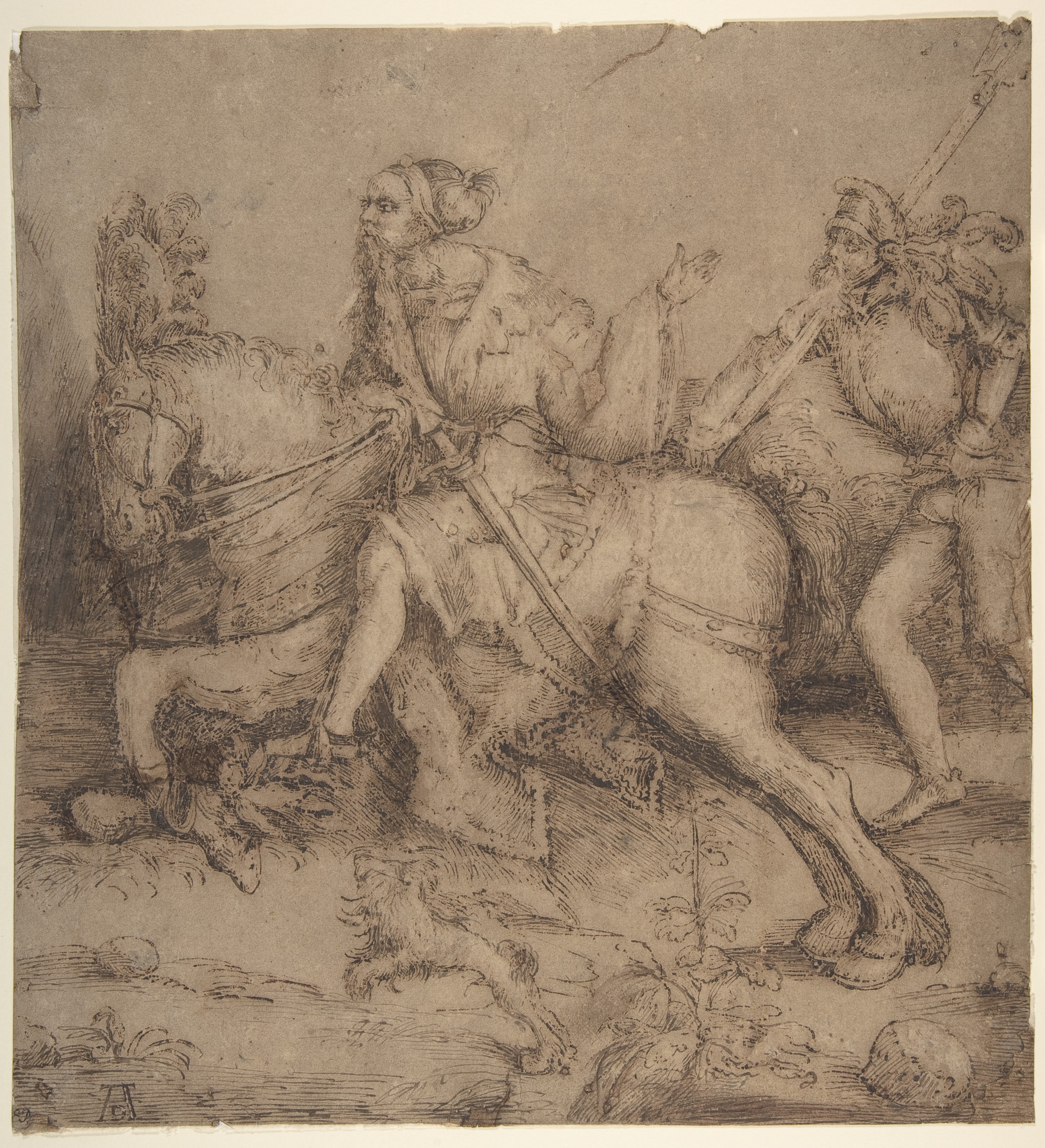
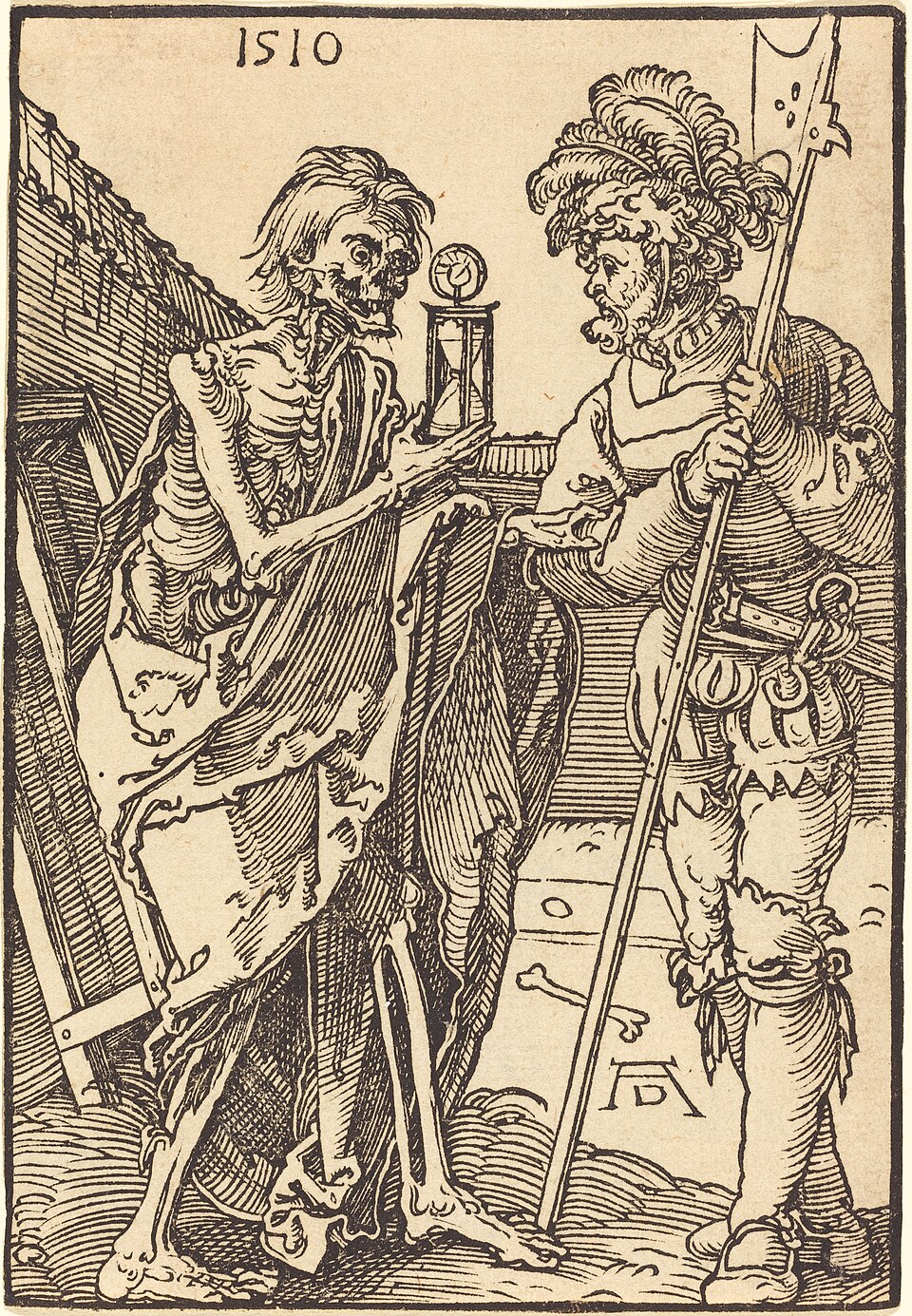
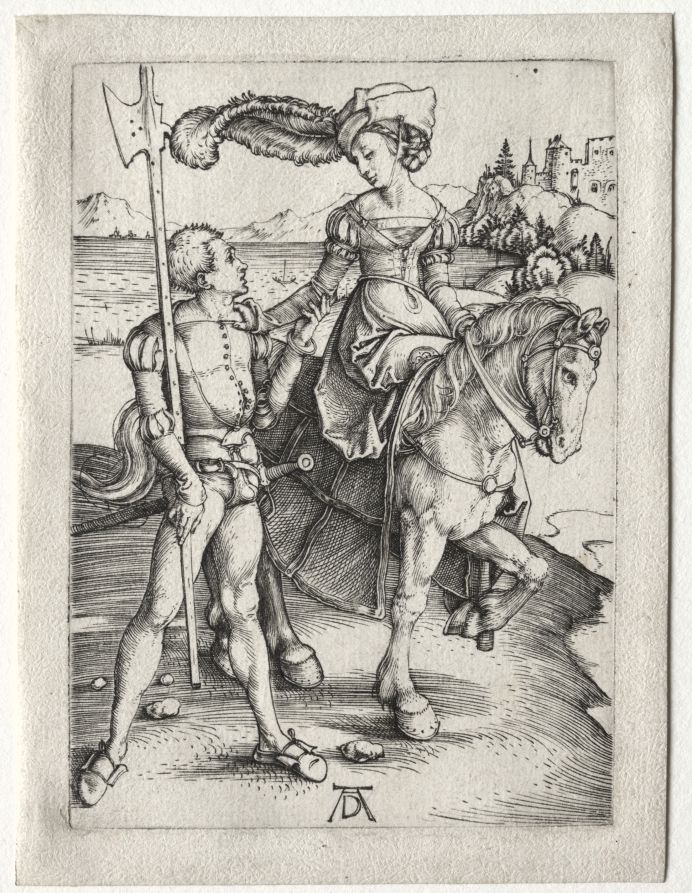
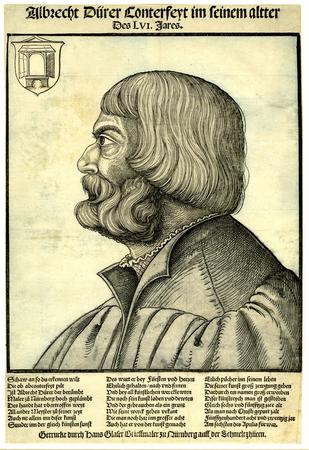
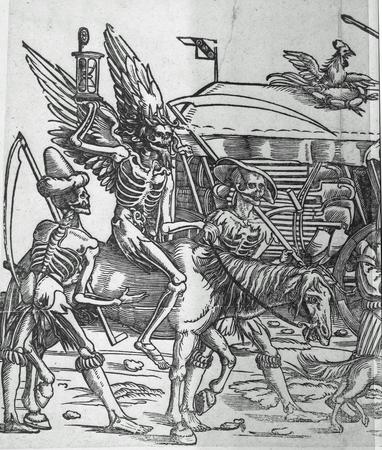
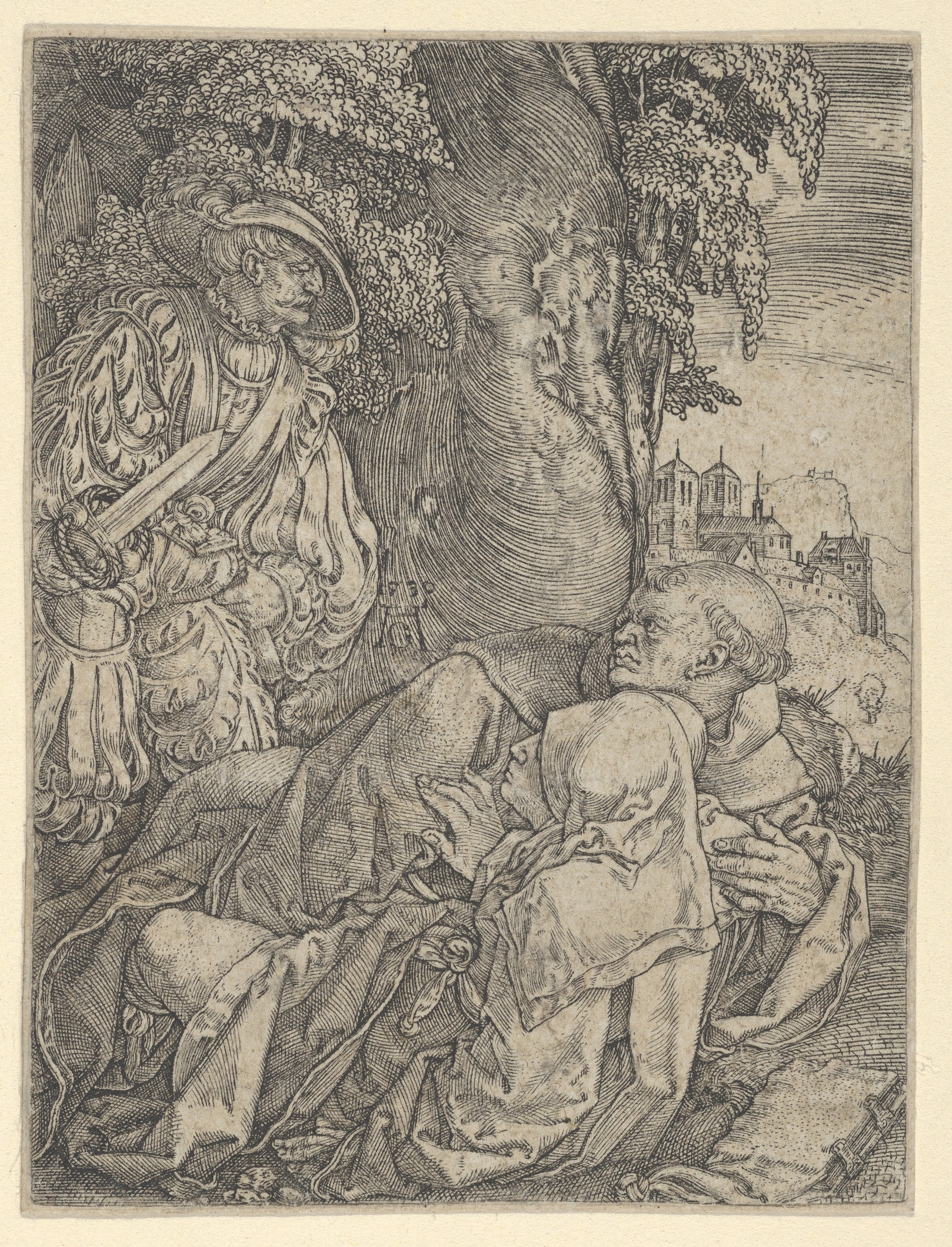
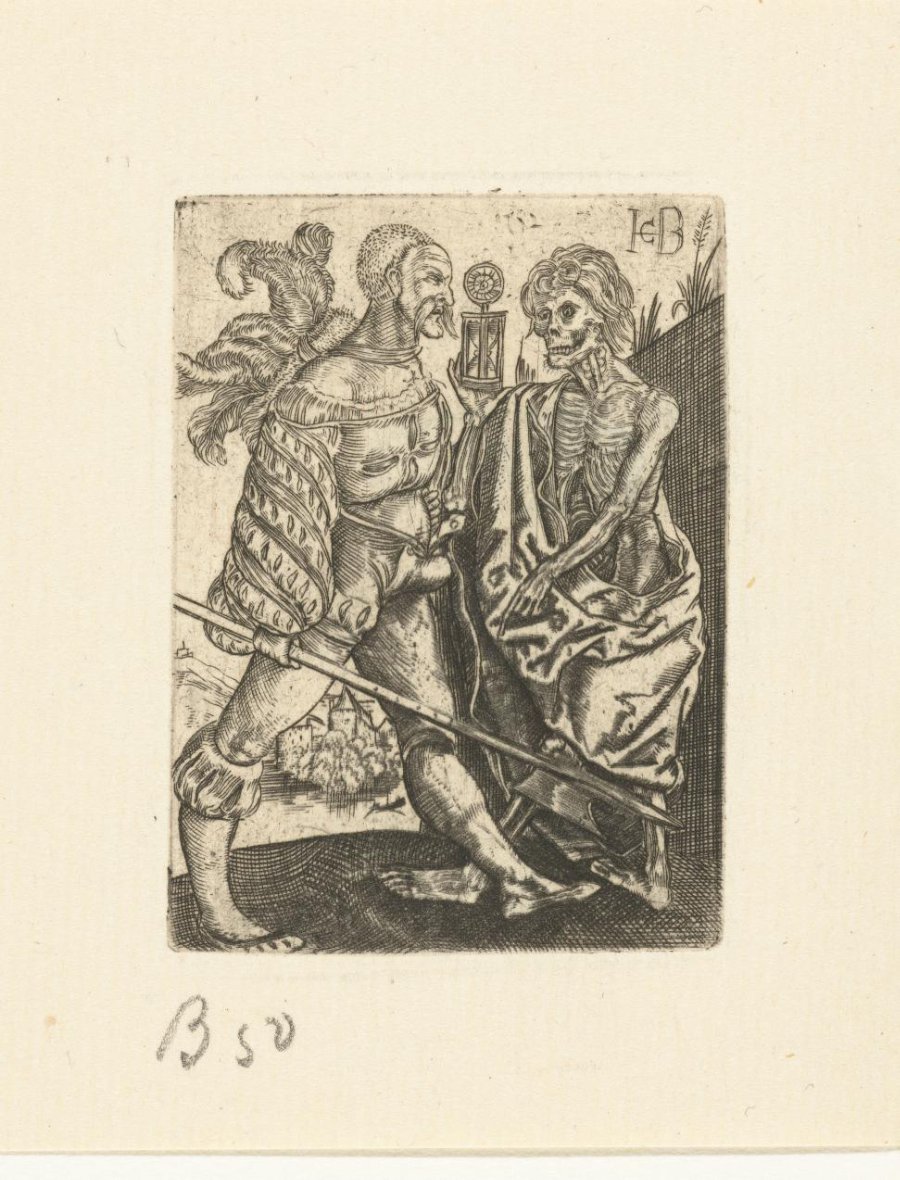
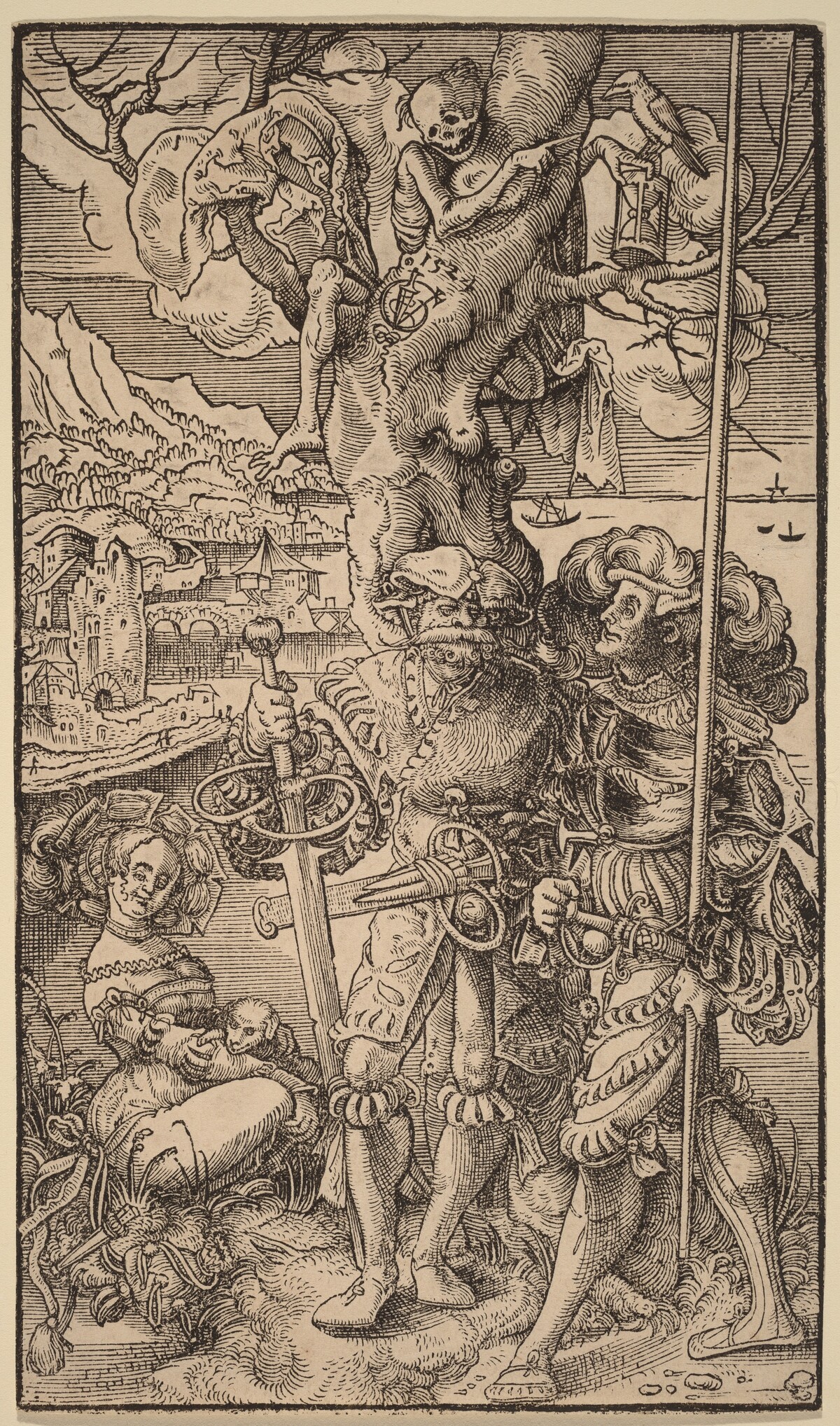
Dürer’s engravings, drawings, and woodcut designs established some of the best-known early images of Landsknechte, including soldiers paired with mounted women and with Death. Woodcuts bearing his designs were often cut by specialist Formschneider rather than by Dürer himself.
The Met: Knight on Horseback and Landsknecht ↗Military and dress context1473–1531
Hans Burgkmair the Elder
Painter and designer of woodcuts
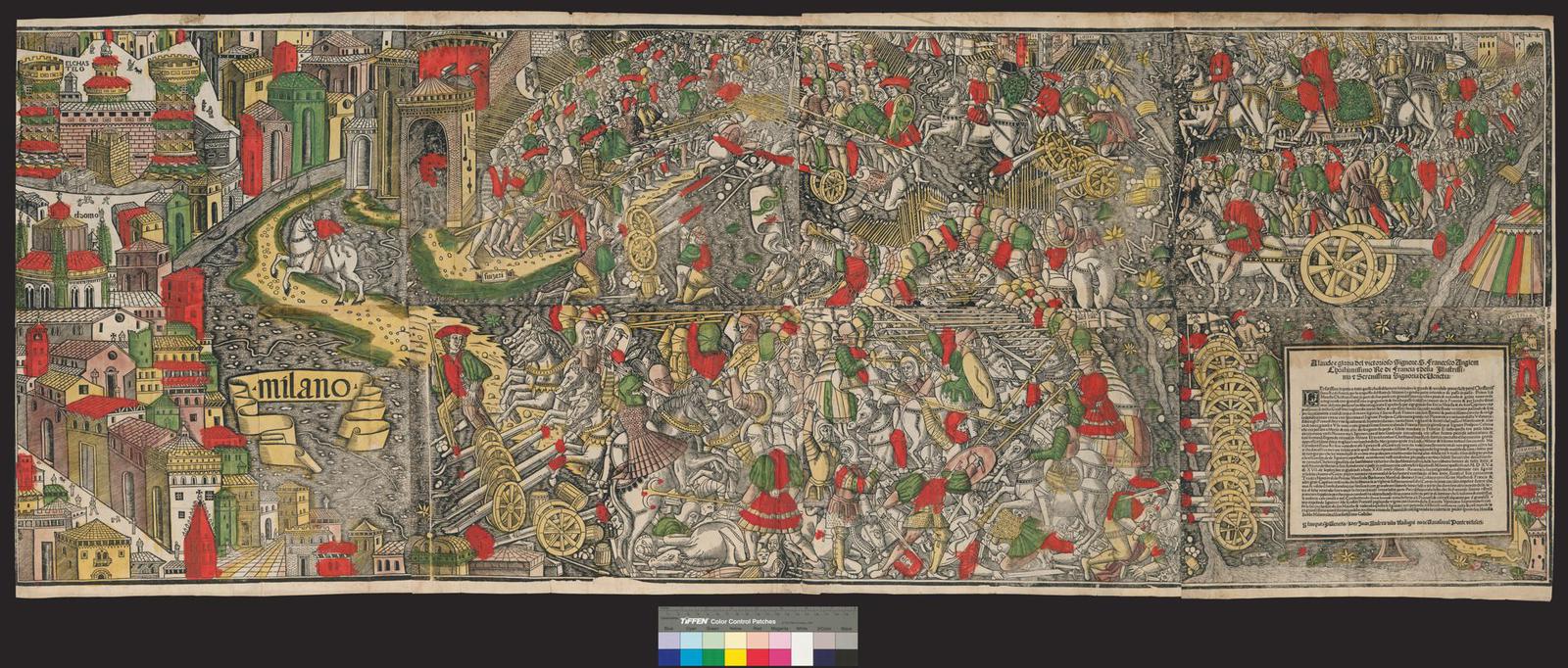
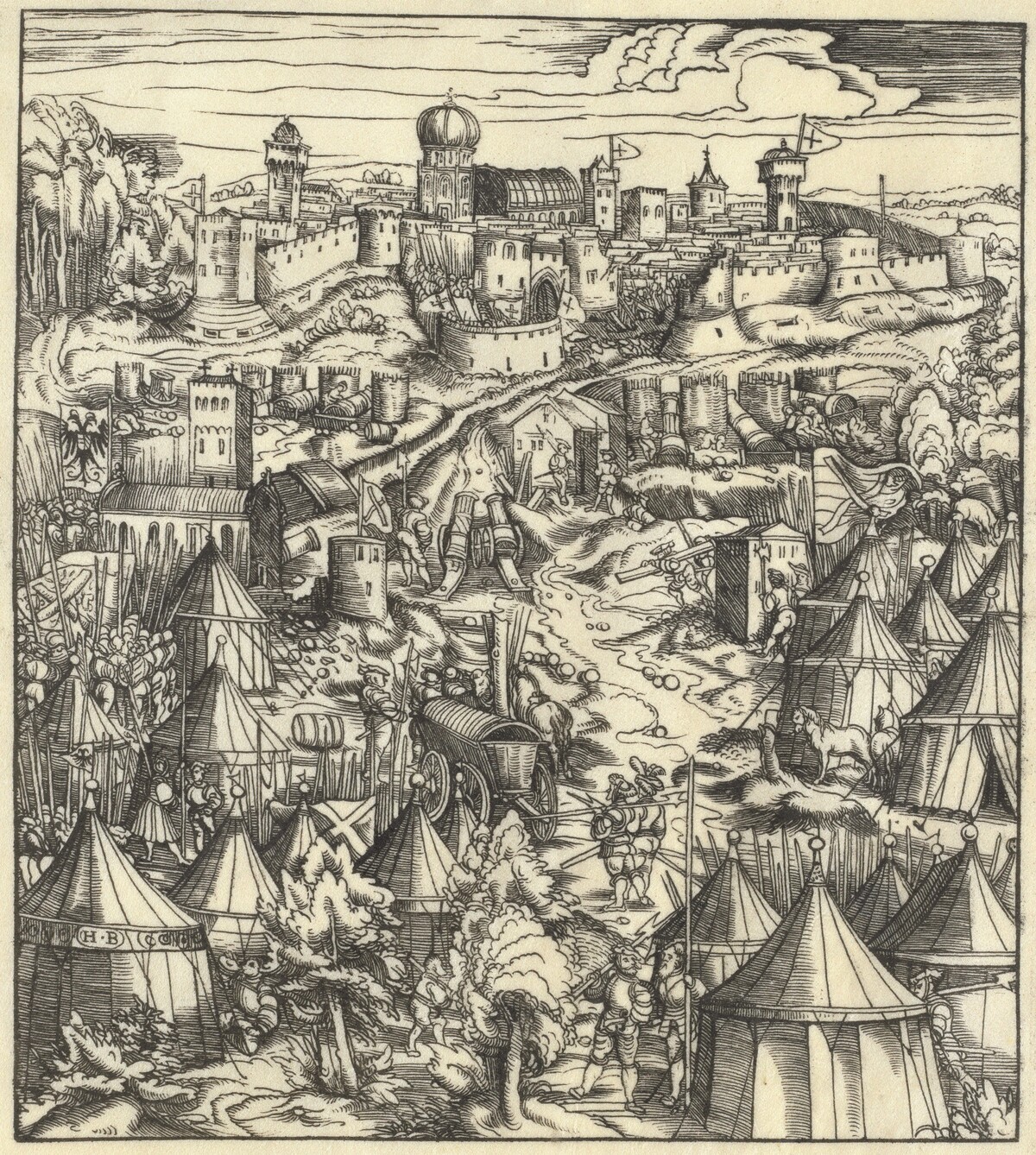
A leading Augsburg artist for Emperor Maximilian I. Burgkmair designed large imperial print projects and military scenes whose infantry, camps, banners, armour, and clothing provide unusually broad visual context for the Landsknecht period.
National Gallery of Art: The Battle of Padua ↗Mercenary and Tross evidencec. 1485–1527/29
Urs Graf
Goldsmith, draughtsman, printmaker, mercenary
Graf’s first-hand experience as a Swiss mercenary informs vigorous images of soldiers, women, violence, camp society, and moral disorder. His Swiss subjects are comparative Reisläufer evidence unless a record explicitly identifies a German Landsknecht.
National Gallery of Art: Two Mercenaries and a Woman ↗Direct Landsknecht evidencec. 1480–c. 1540
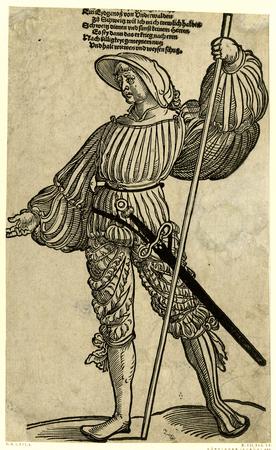
Hans Leonhard Schäufelein
Painter and designer of woodcuts
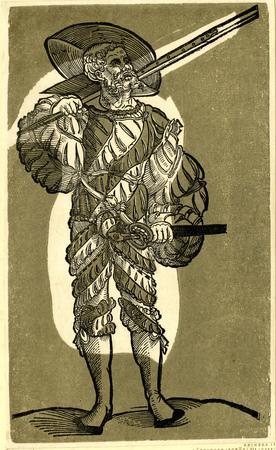
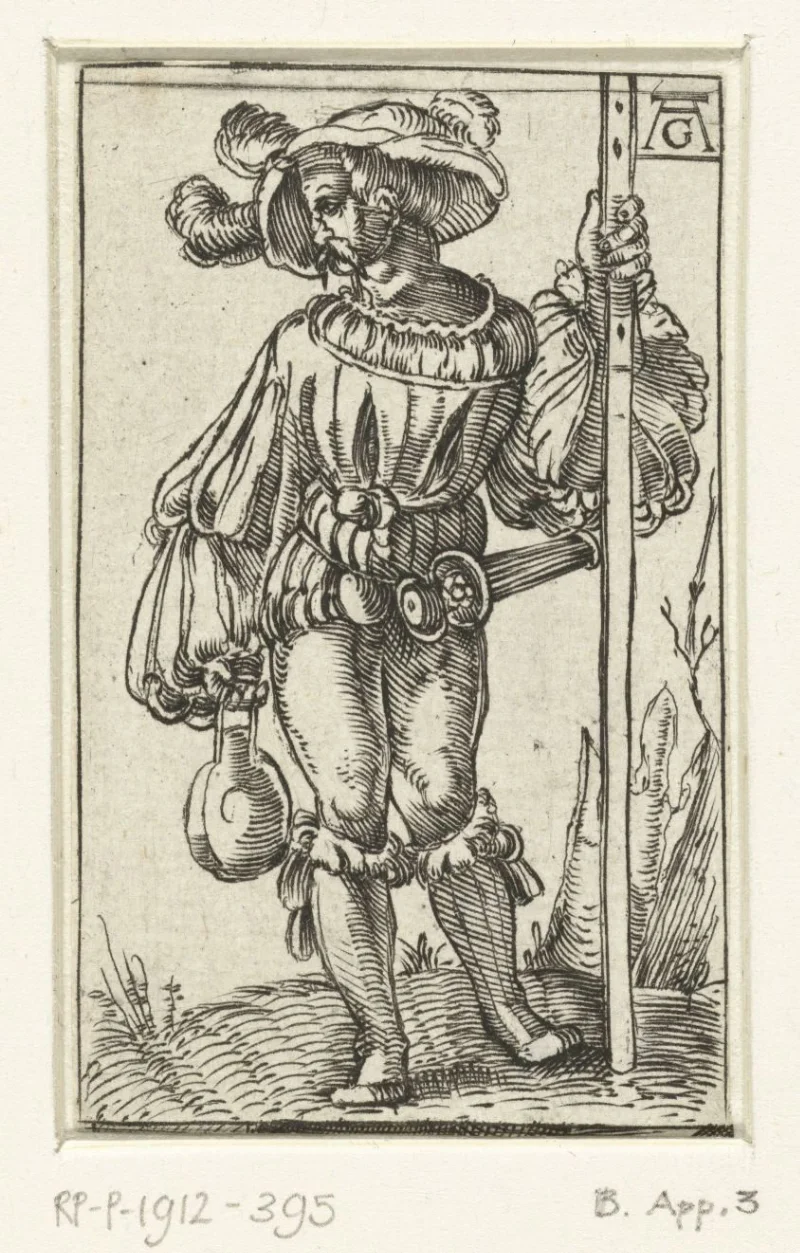
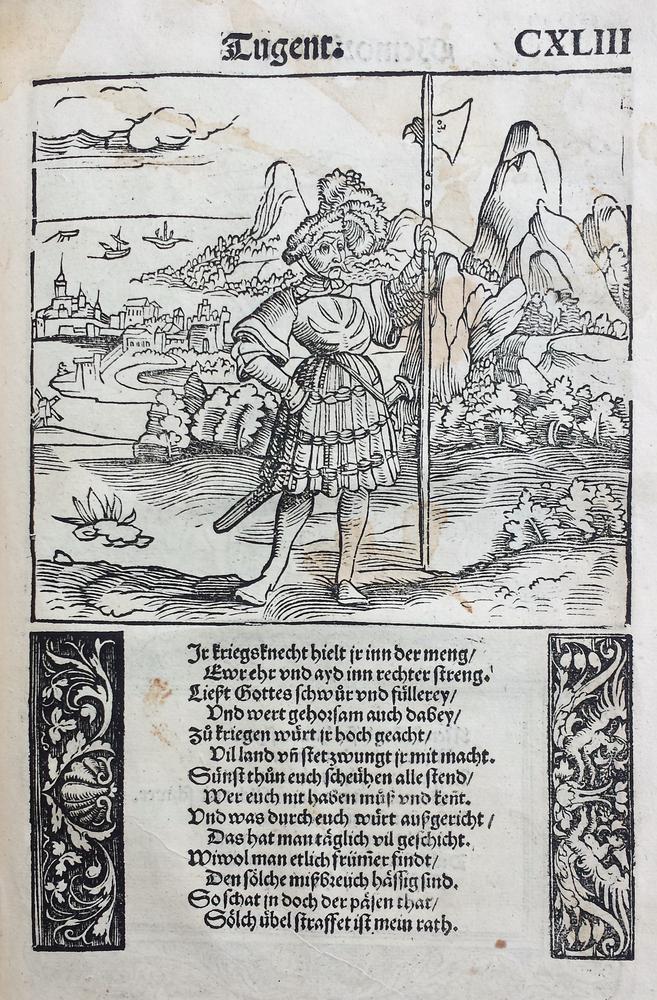
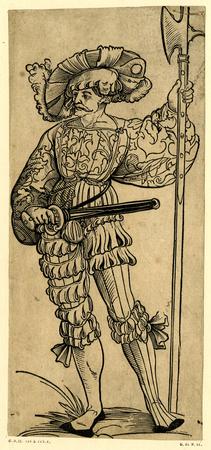
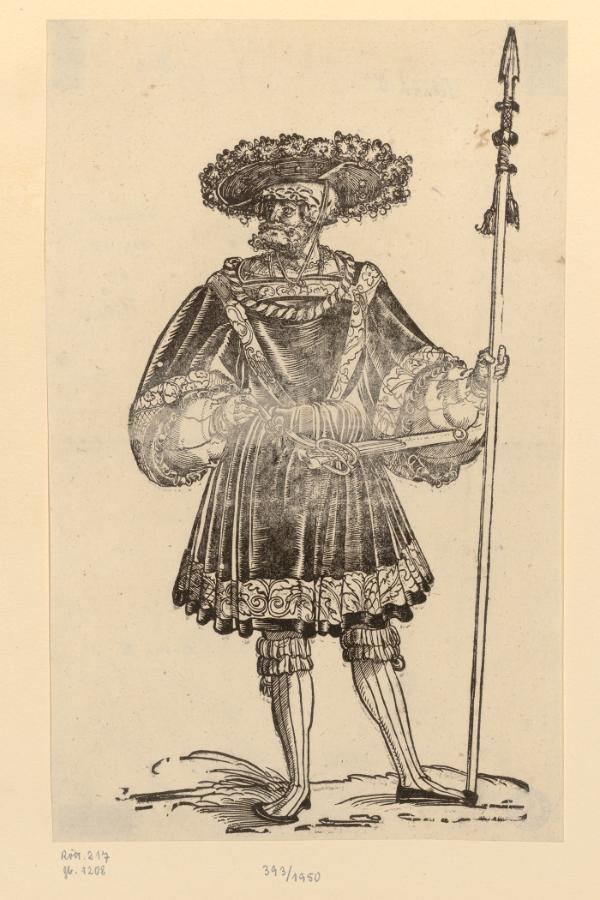
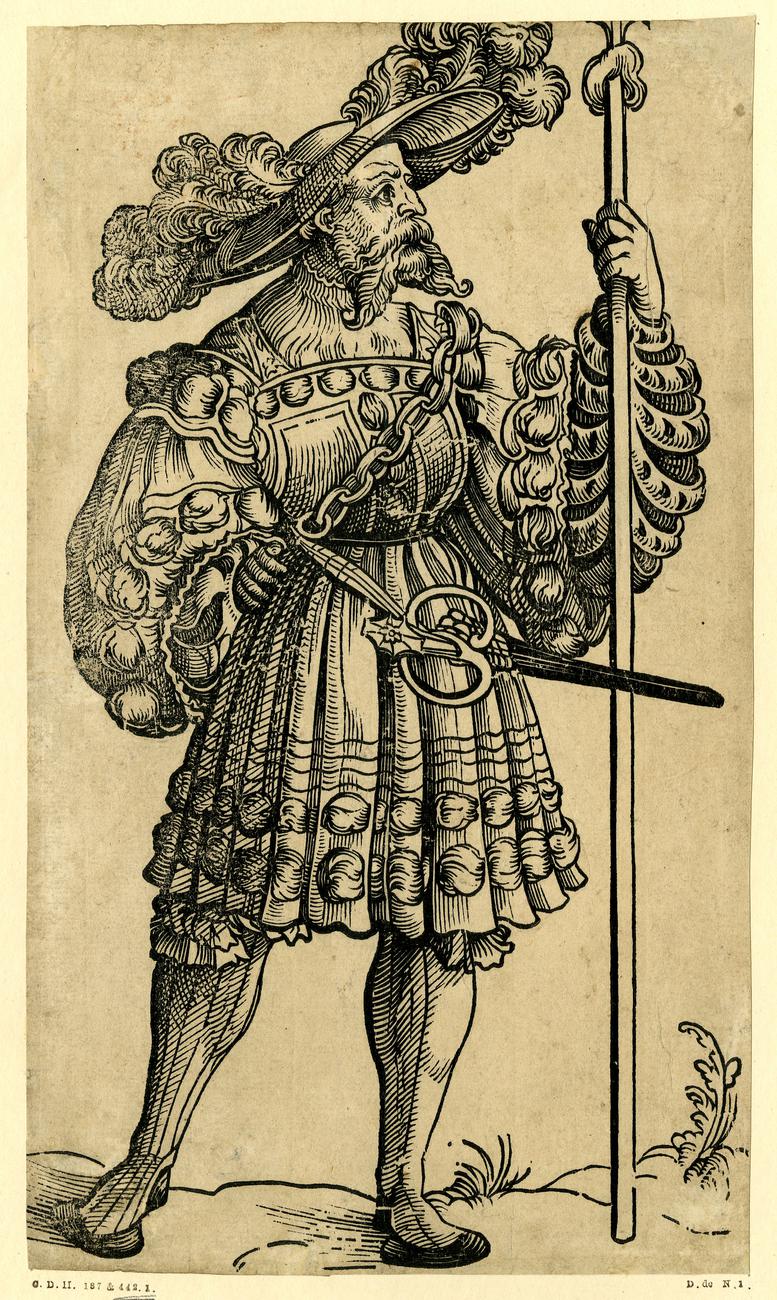
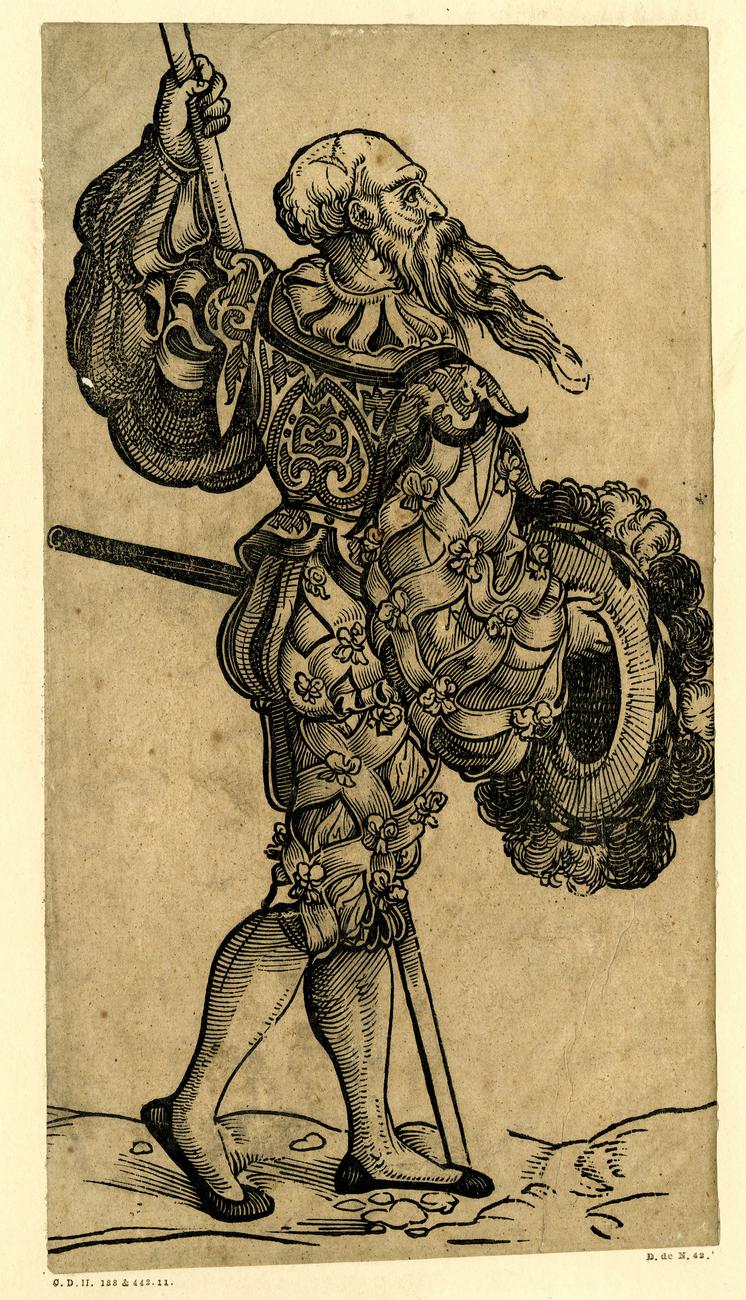
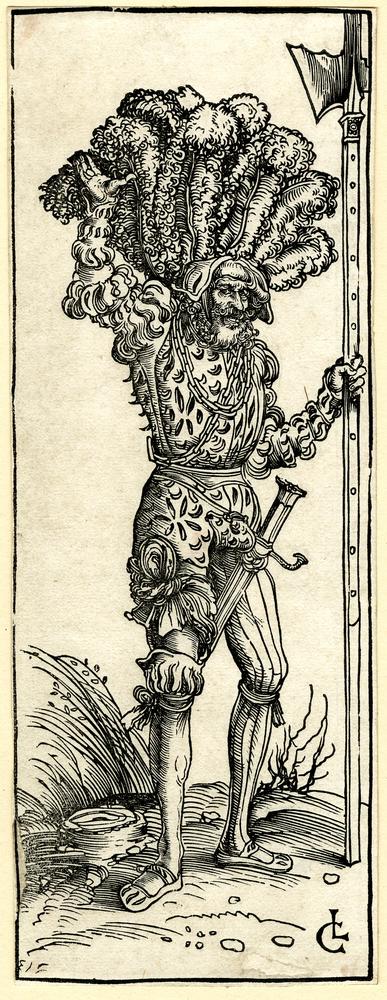
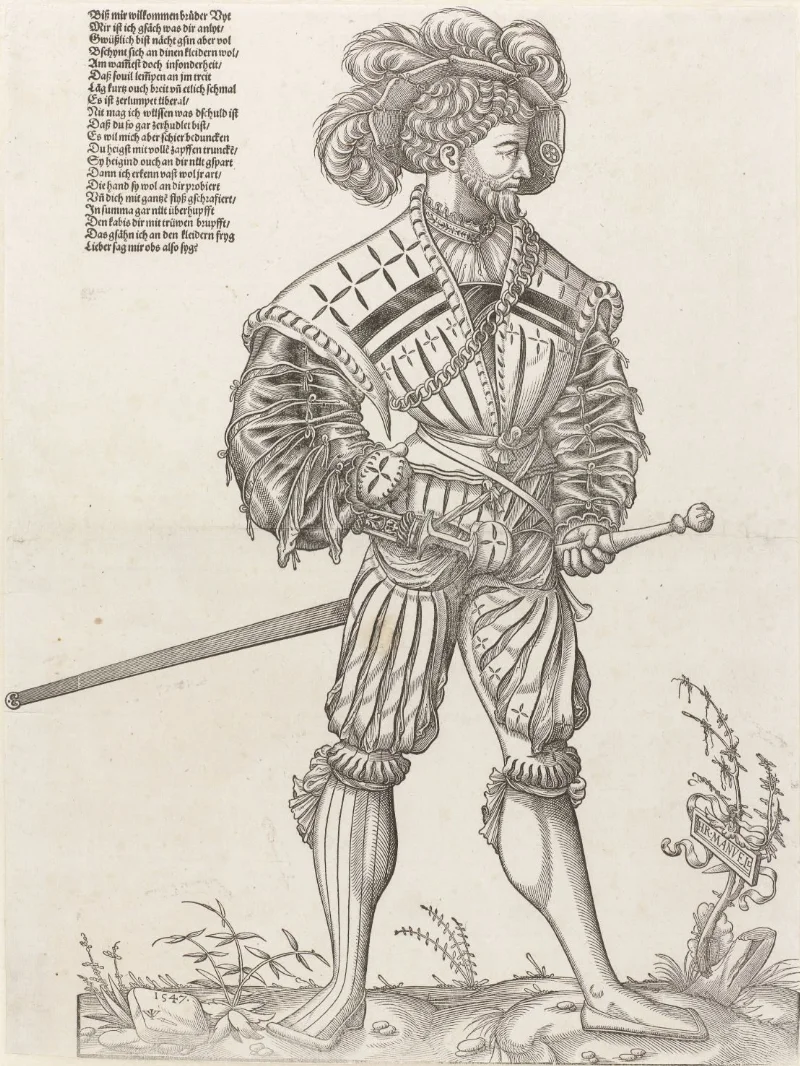
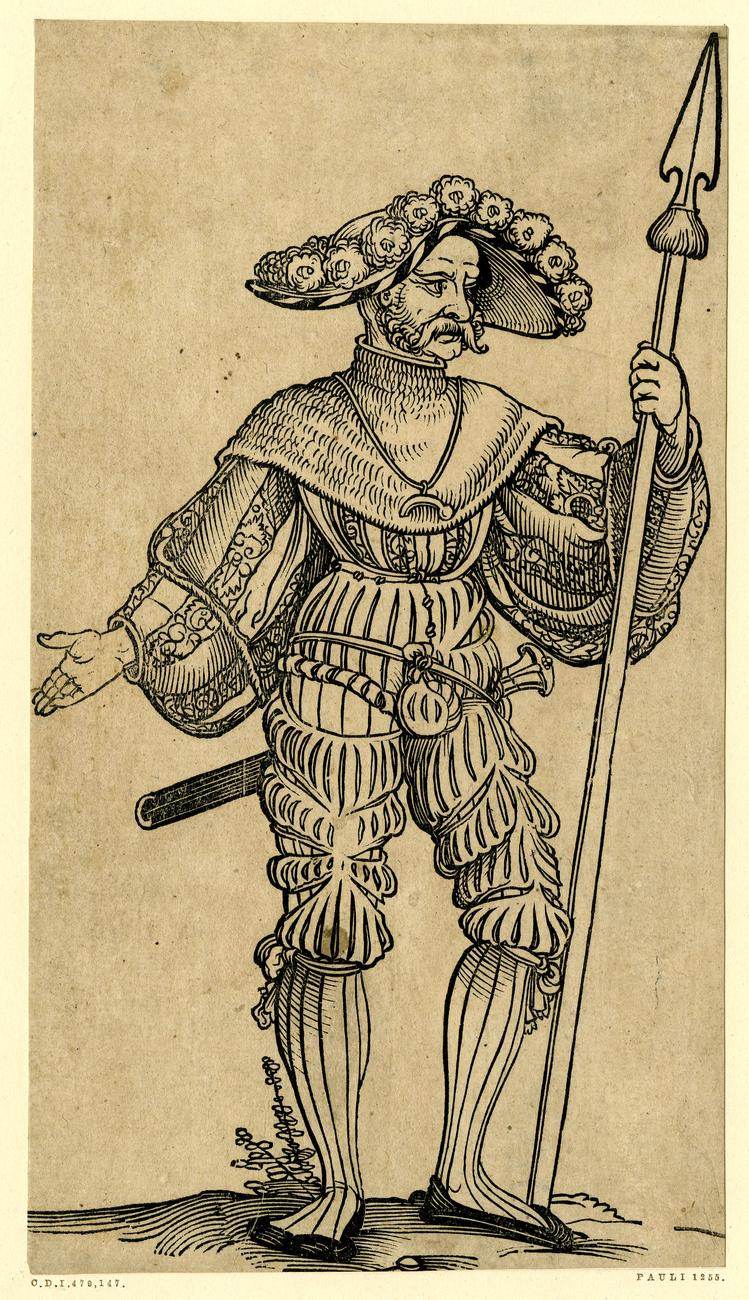
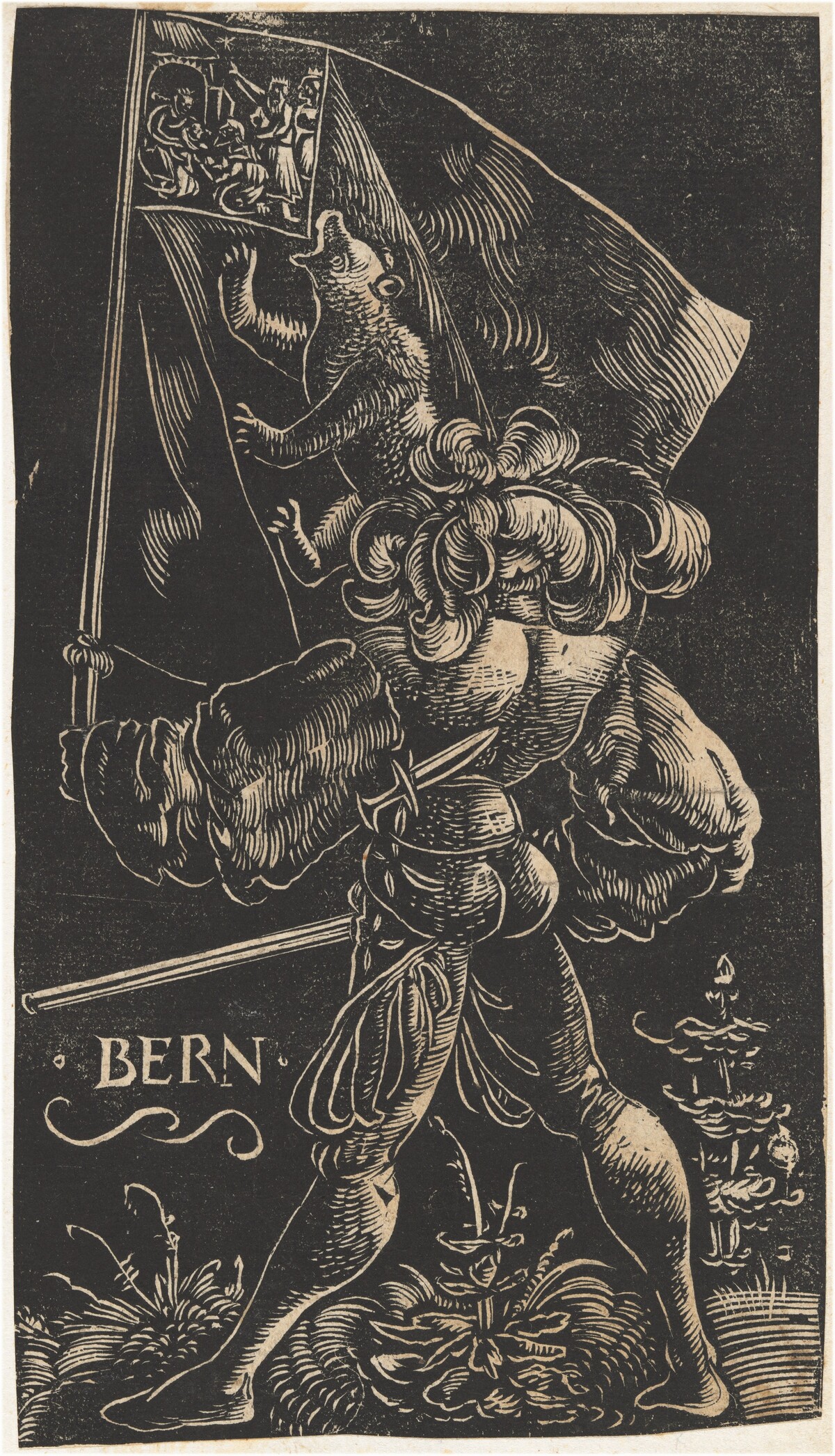
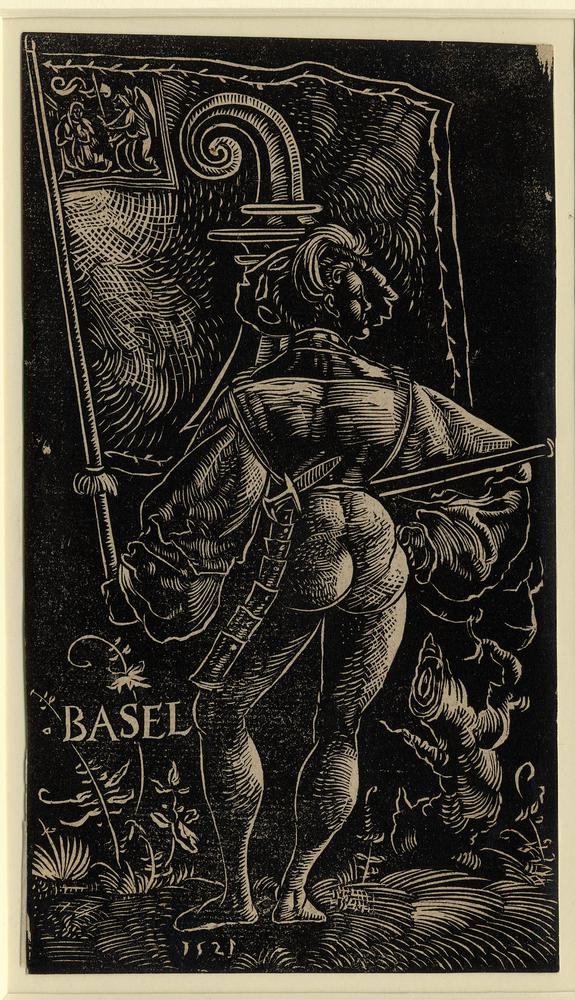
Schäufelein produced numerous standing Landsknechte, standard-bearers, and military figures. His strong silhouettes and carefully described dress make his prints central visual sources; surviving records sometimes identify the block cutter separately.
British Museum: Landsknecht standard-bearer ↗Direct Landsknecht evidencec. 1470–1536
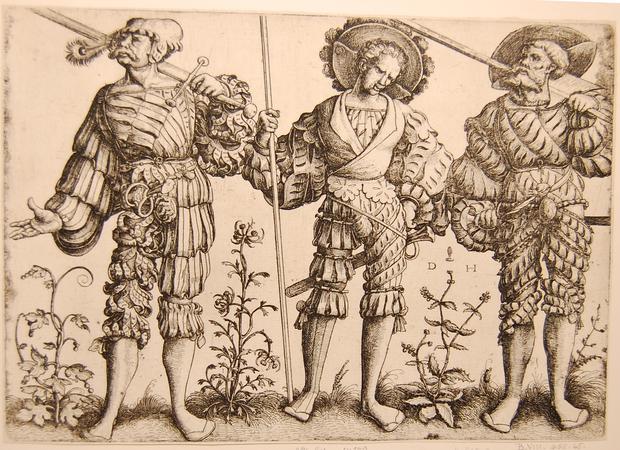
Daniel Hopfer the Elder
Armour etcher and printmaker
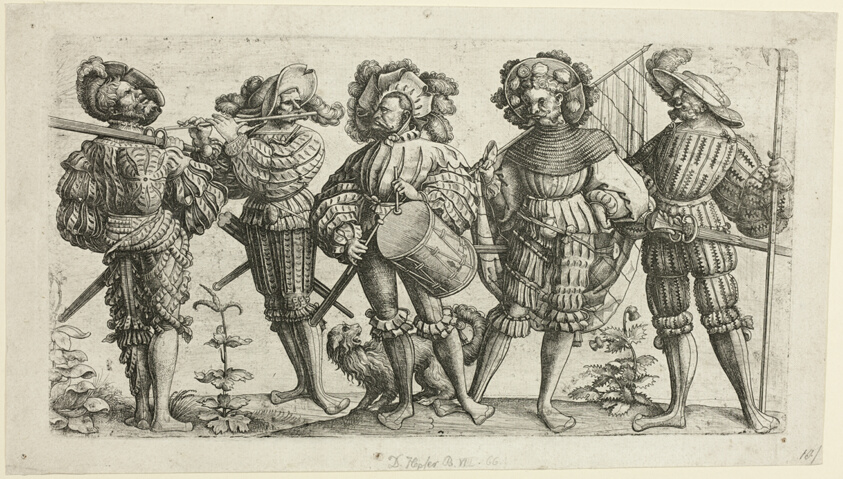
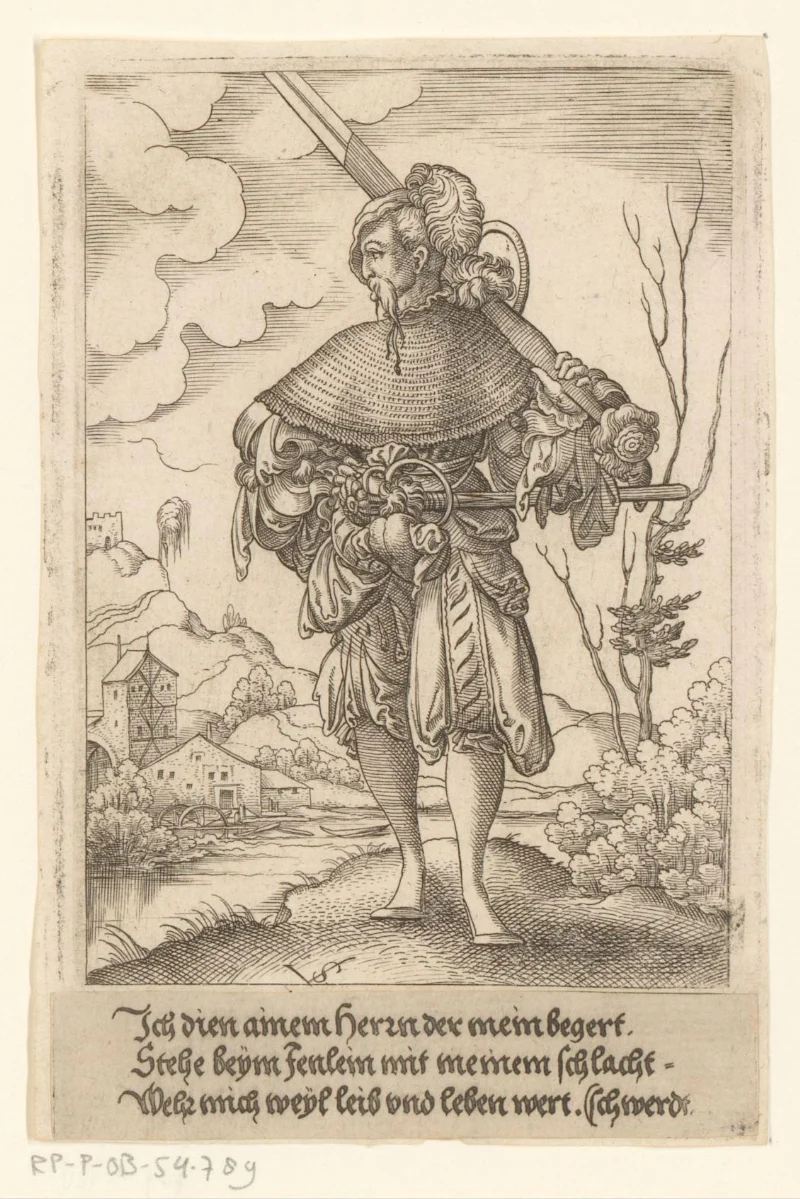
Hopfer pioneered printed etching in Augsburg after working as an armour decorator. His etched soldier groups—technically not woodcuts—record weapons, postures, dress, and social performance with exceptional breadth.
Art Institute of Chicago: Five German Soldiers ↗Direct Landsknecht evidence1539–1591
Jost Amman
Draughtsman, etcher, and designer of woodcuts
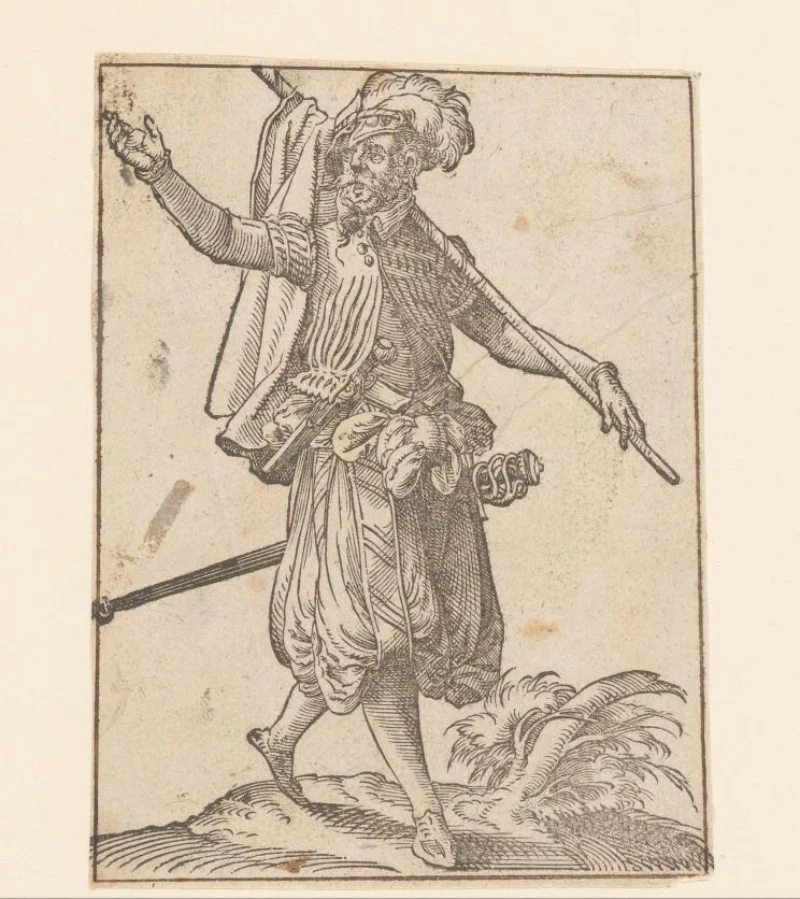
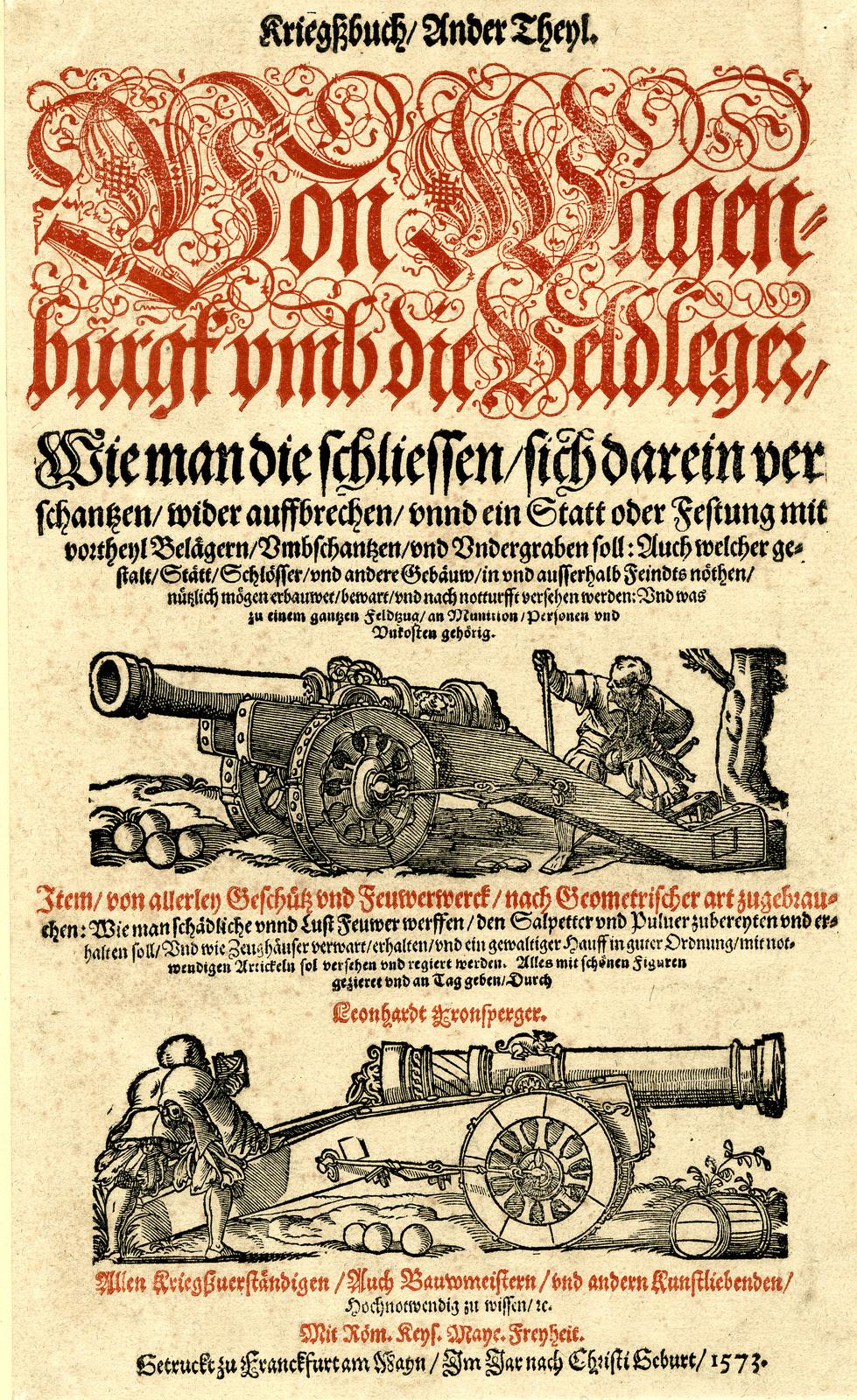
Working later in the sixteenth century, Amman supplied prolific book and broadside designs. His soldiers, officers, occupations, and illustrations for military books are especially useful for later Landsknecht, camp, and institutional context.
British Museum: Fronsperger’s Kriegsbuch illustrations ↗Direct Landsknecht evidencec. 1491–1542
Erhard Schön
Painter and designer of woodcuts
A major Nuremberg print designer whose single figures and marching series include named soldiers, officers, gunners, and Landsknecht formations. Older catalogues sometimes confused his designs with those of Peter Flötner.
Museums of Nuremberg: A Lansquenet Leader ↗Mercenary and Tross evidenceactive c. 1520–1562
Niklas Stör
Painter and designer of woodcuts
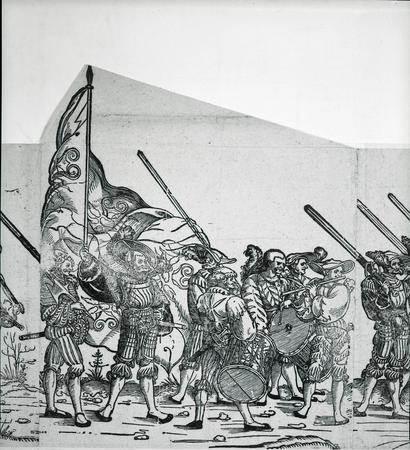
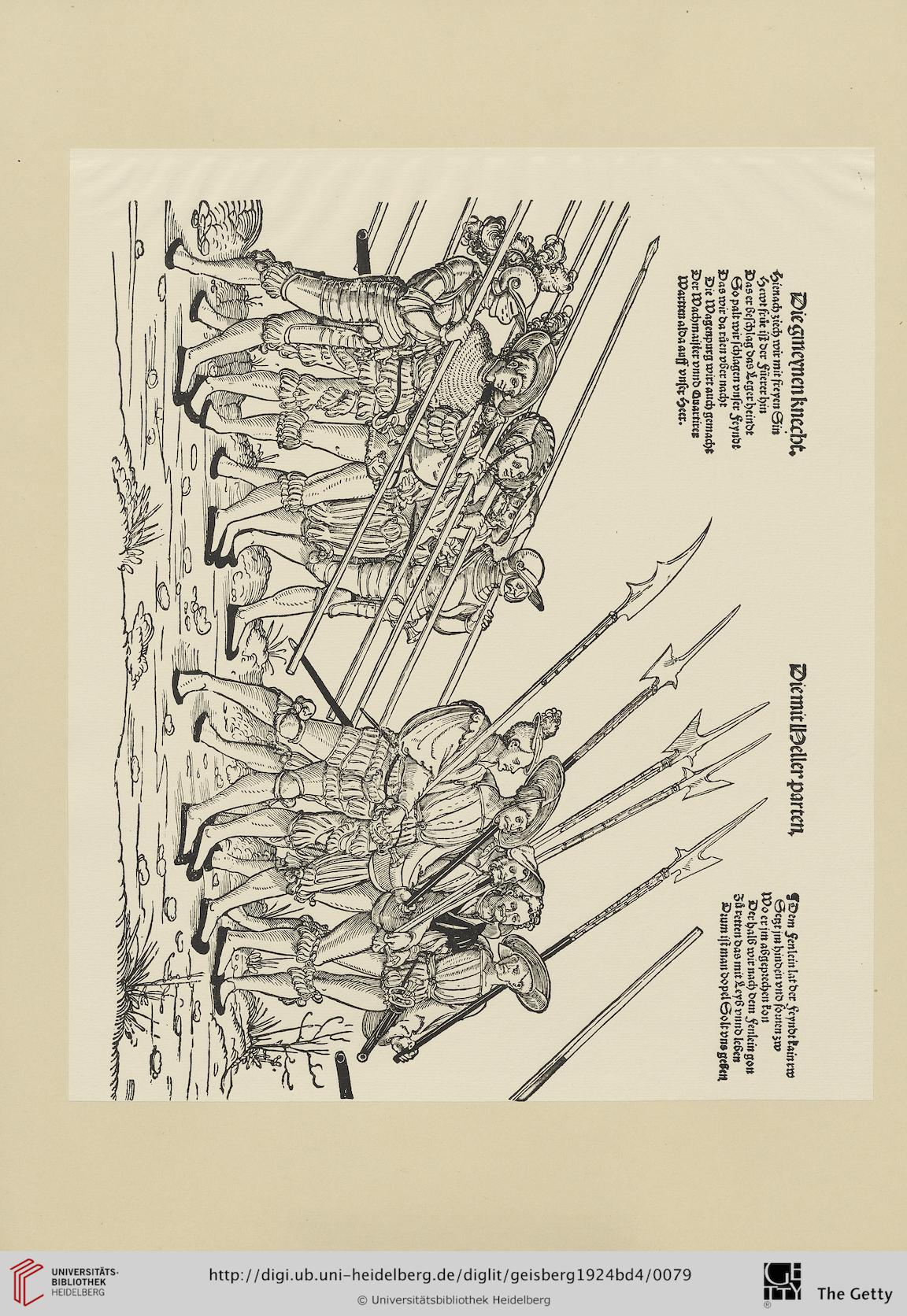
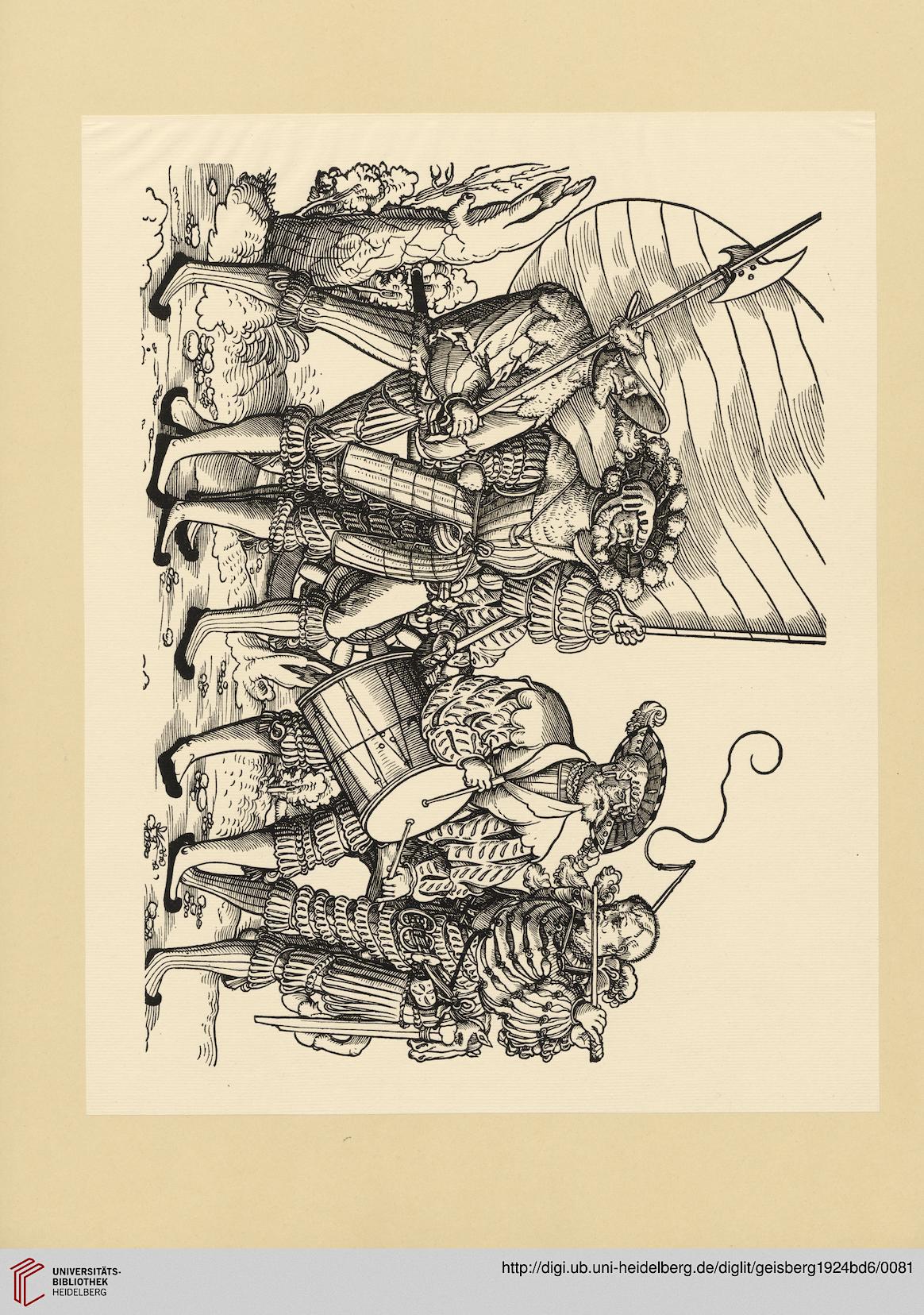
Stör’s long processions and figure sheets record musicians, standards, firearms, two-handed swords, halberds, officers, common troops, and women associated with soldiers. They are particularly valuable for studying the visual organization of the marching community.
Heidelberg: Ein Soldatenzug in Geisberg ↗Direct Landsknecht evidencec. 1475/80–1537
Jörg Breu the Elder
Painter and designer of woodcuts
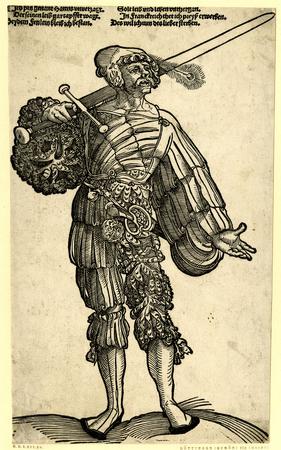
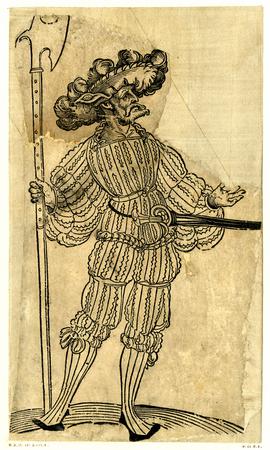
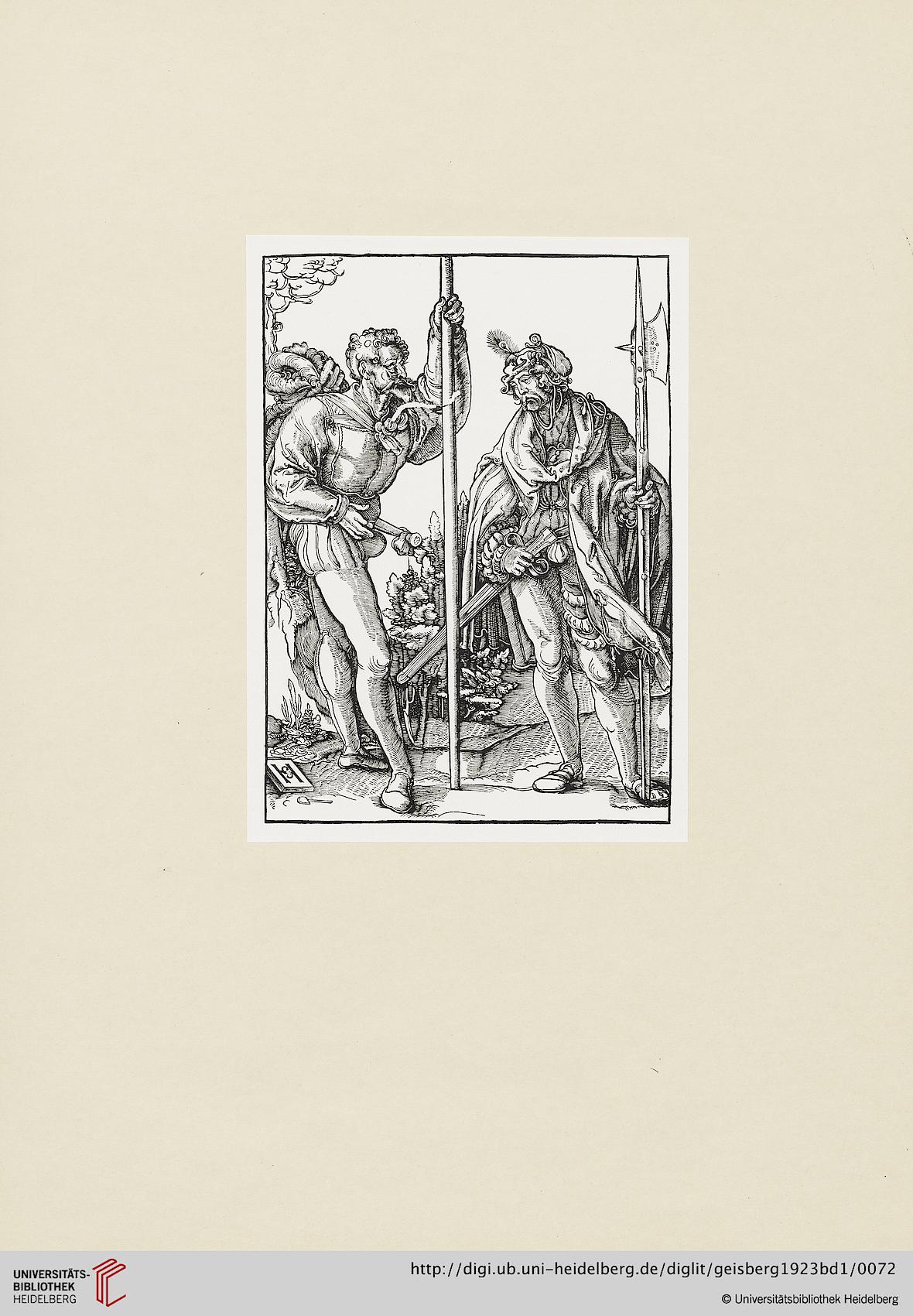
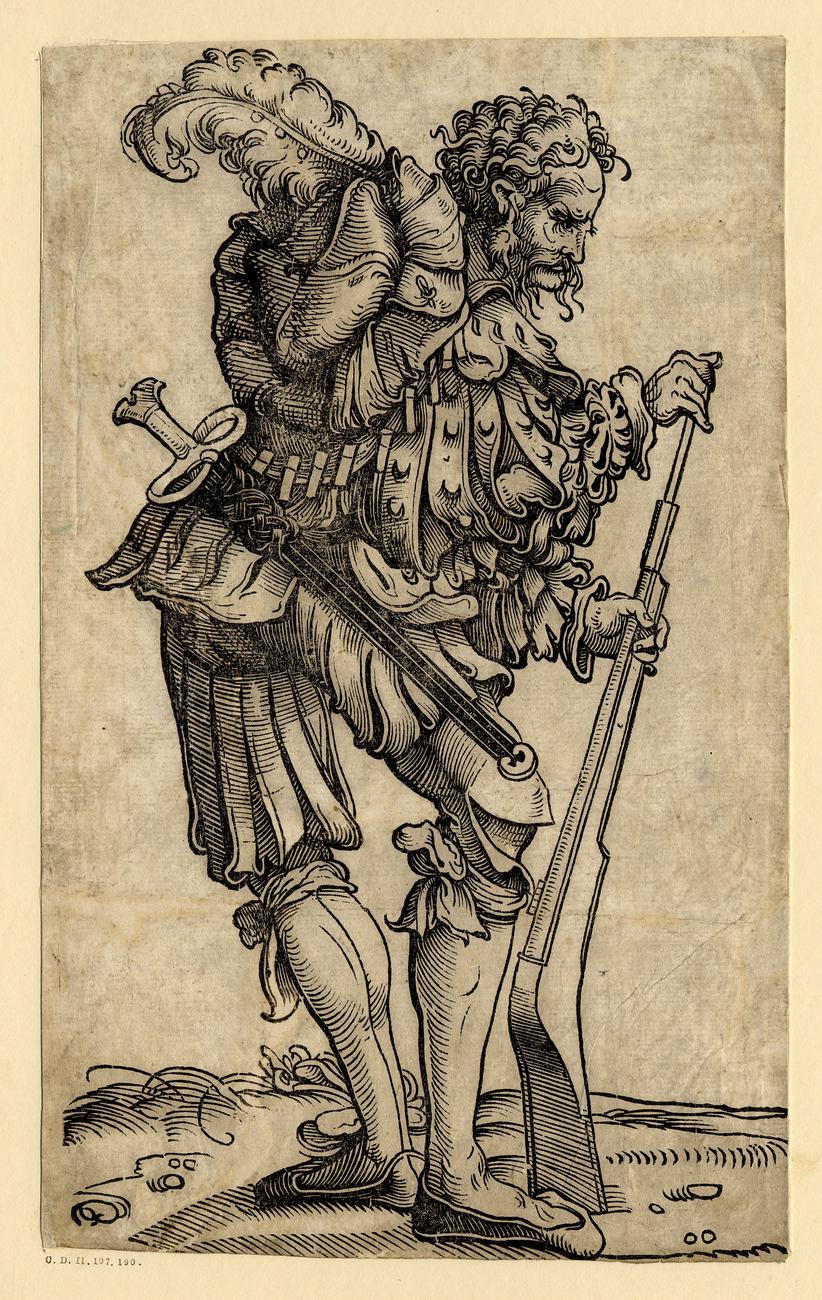
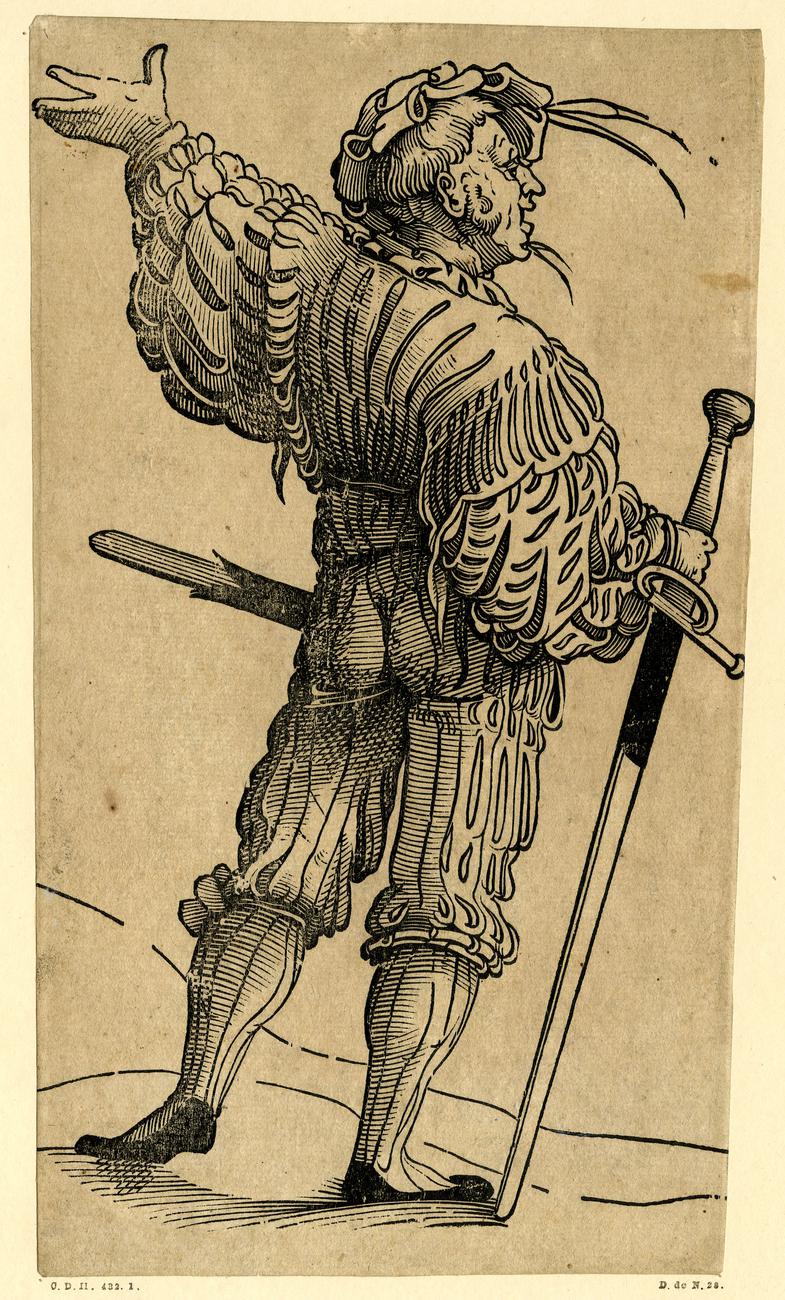
Breu’s Augsburg workshop contributed to imperial books, religious prints, and a large series of standing Landsknechte. Museum records show that some of these designs were cut by Jost de Negker.
British Museum: Landsknecht cleaning his firearm ↗Direct Landsknecht evidencec. 1510–1547
Jörg Breu the Younger
Painter and print designer
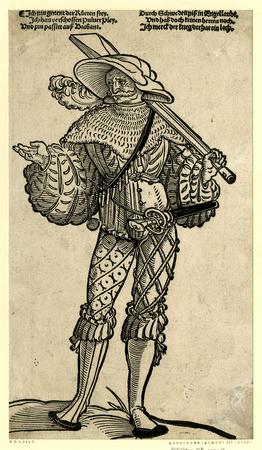
The younger Breu continued the Augsburg family workshop and designed standing soldier prints. Modern catalogues distinguish several of his Landsknechte from works formerly assigned to his father.
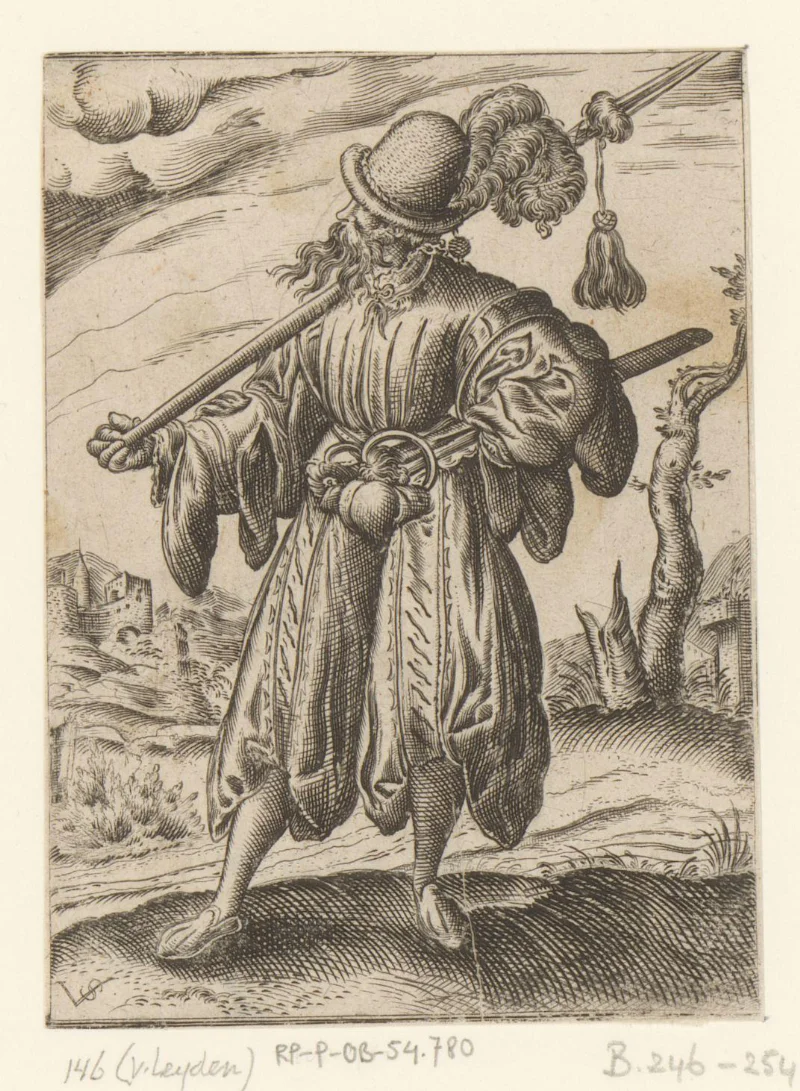
British Museum: Landsknecht seen from behind ↗Direct Landsknecht evidence1500–1550
Sebald Beham
Painter, engraver, and print designer
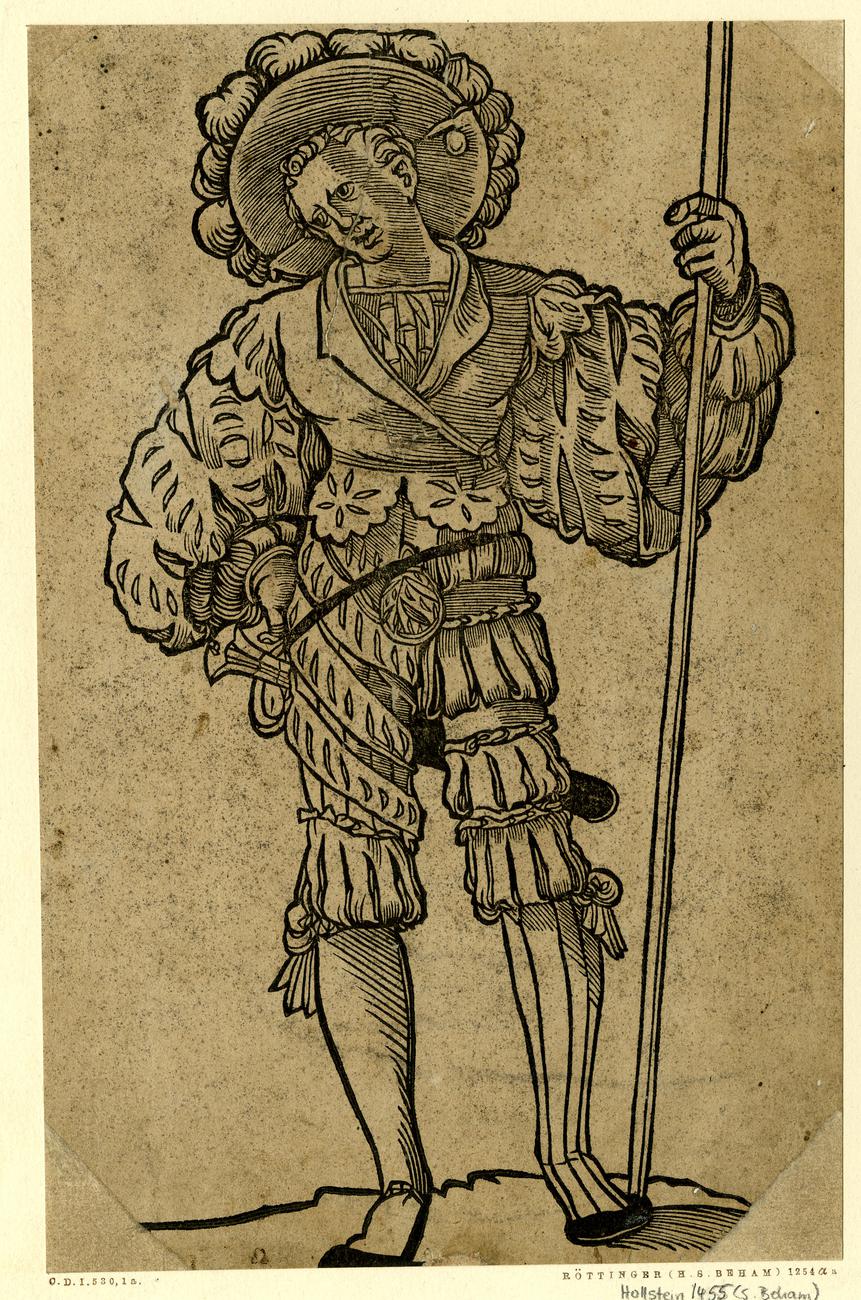
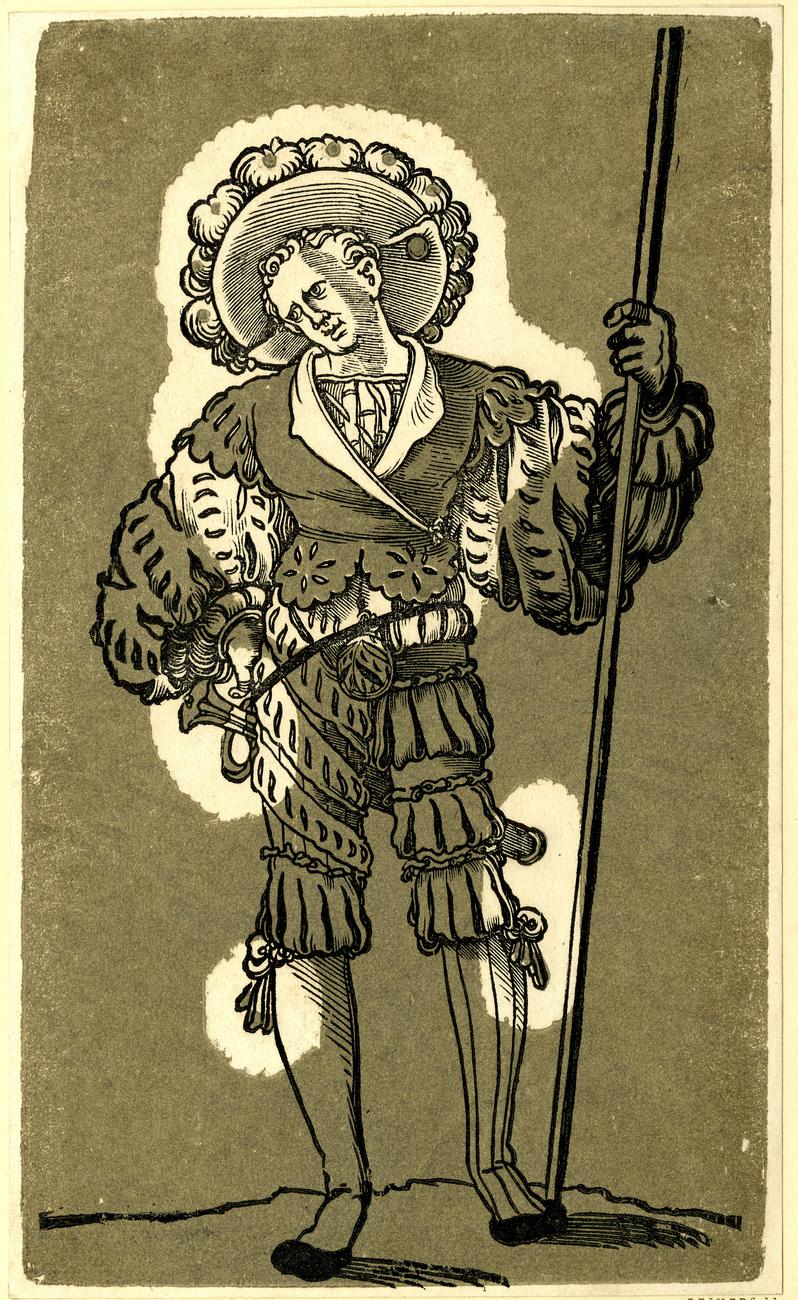
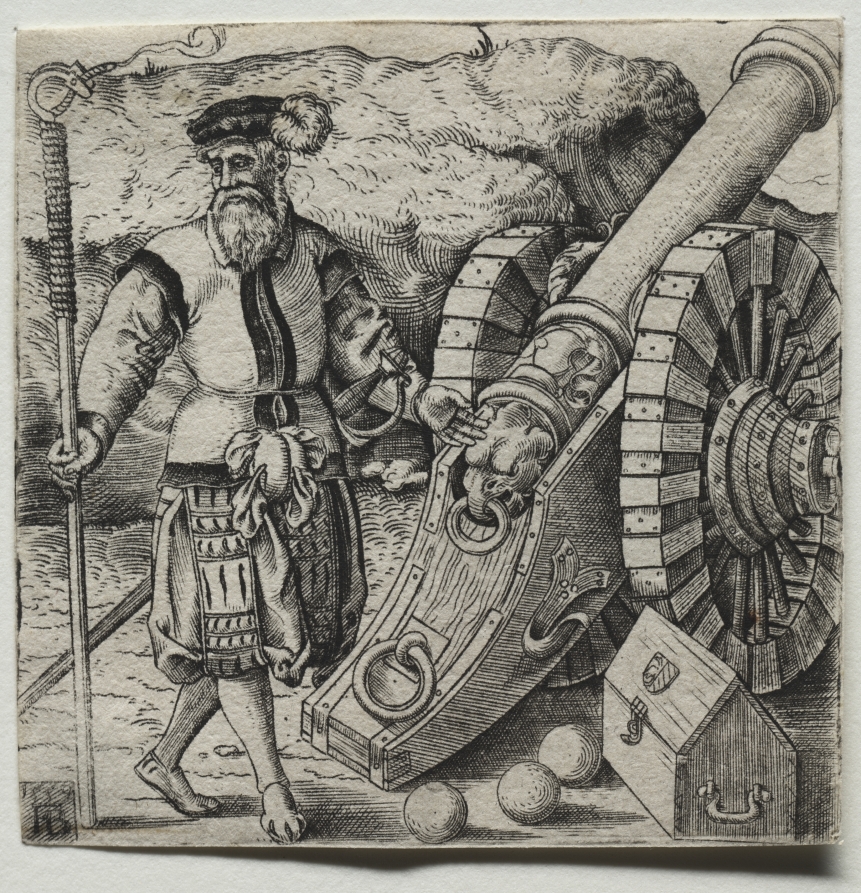
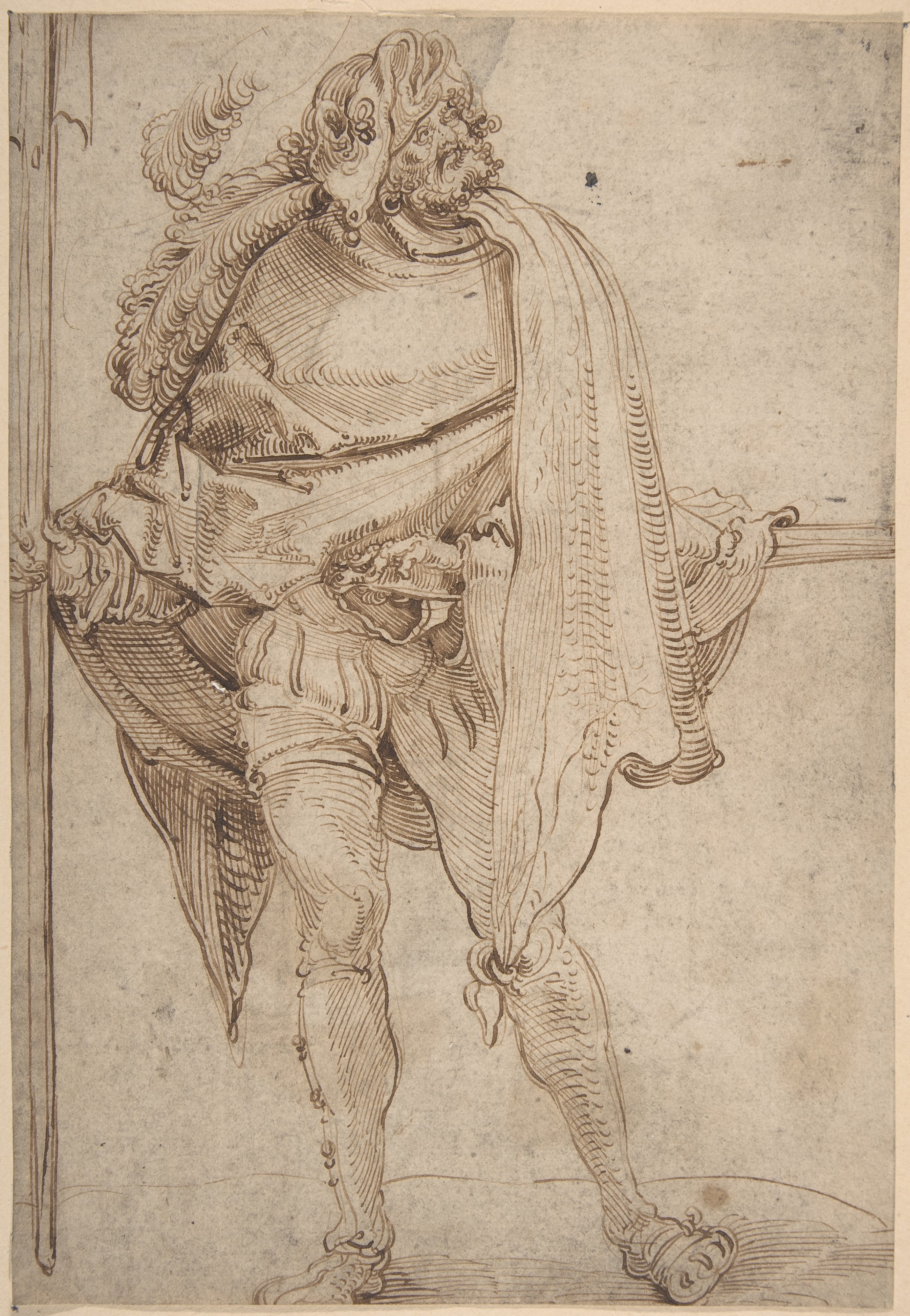
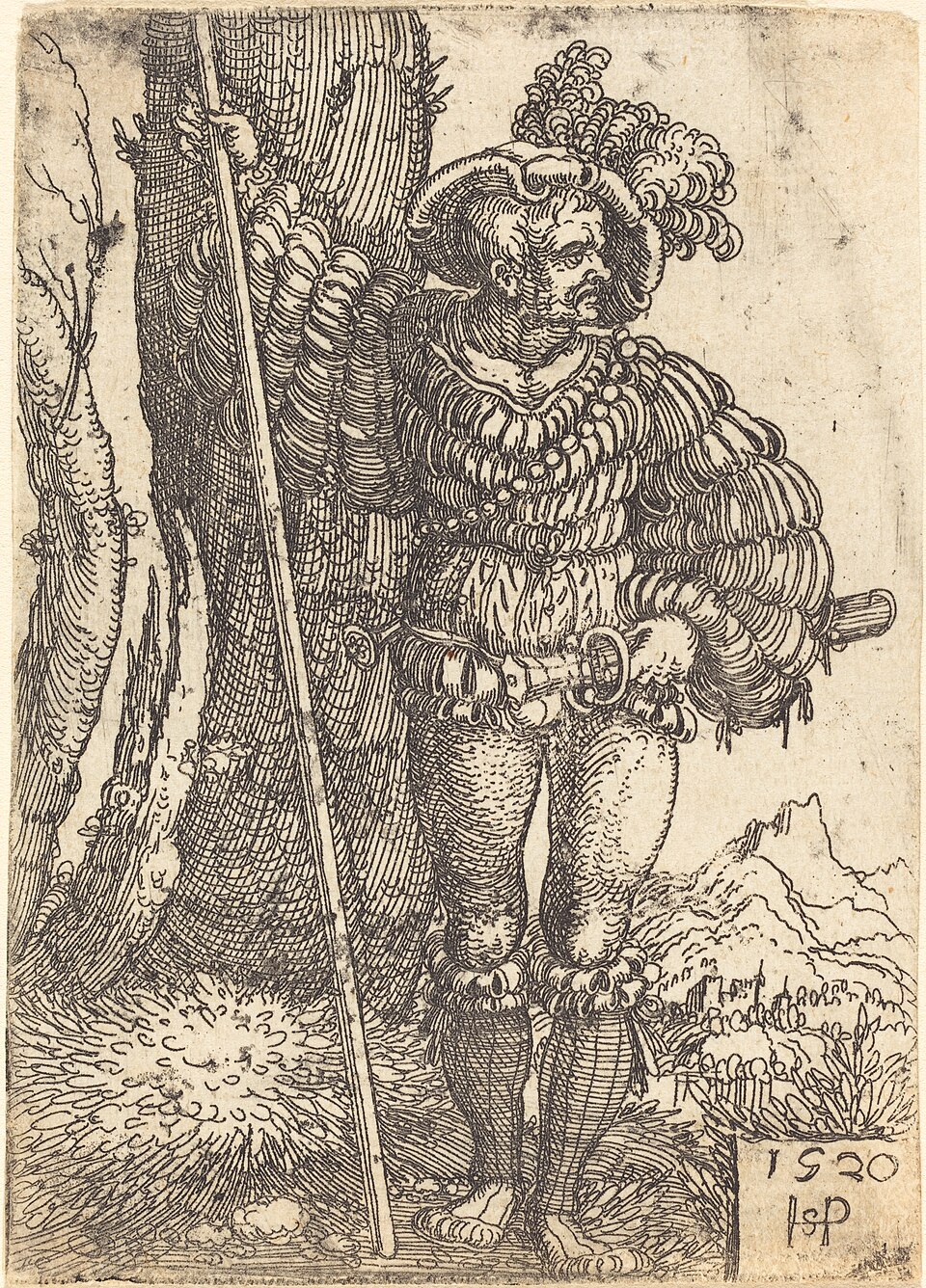
One of the Nuremberg ‘Little Masters,’ Beham made compact engravings and woodcut designs of soldiers, peasant festivities, and social disorder. His standing Landsknechte and military musicians are valuable for dress and weapons.
British Museum: Landsknecht holding a spear ↗Military and dress context1502–1540
Barthel Beham
Painter and engraver
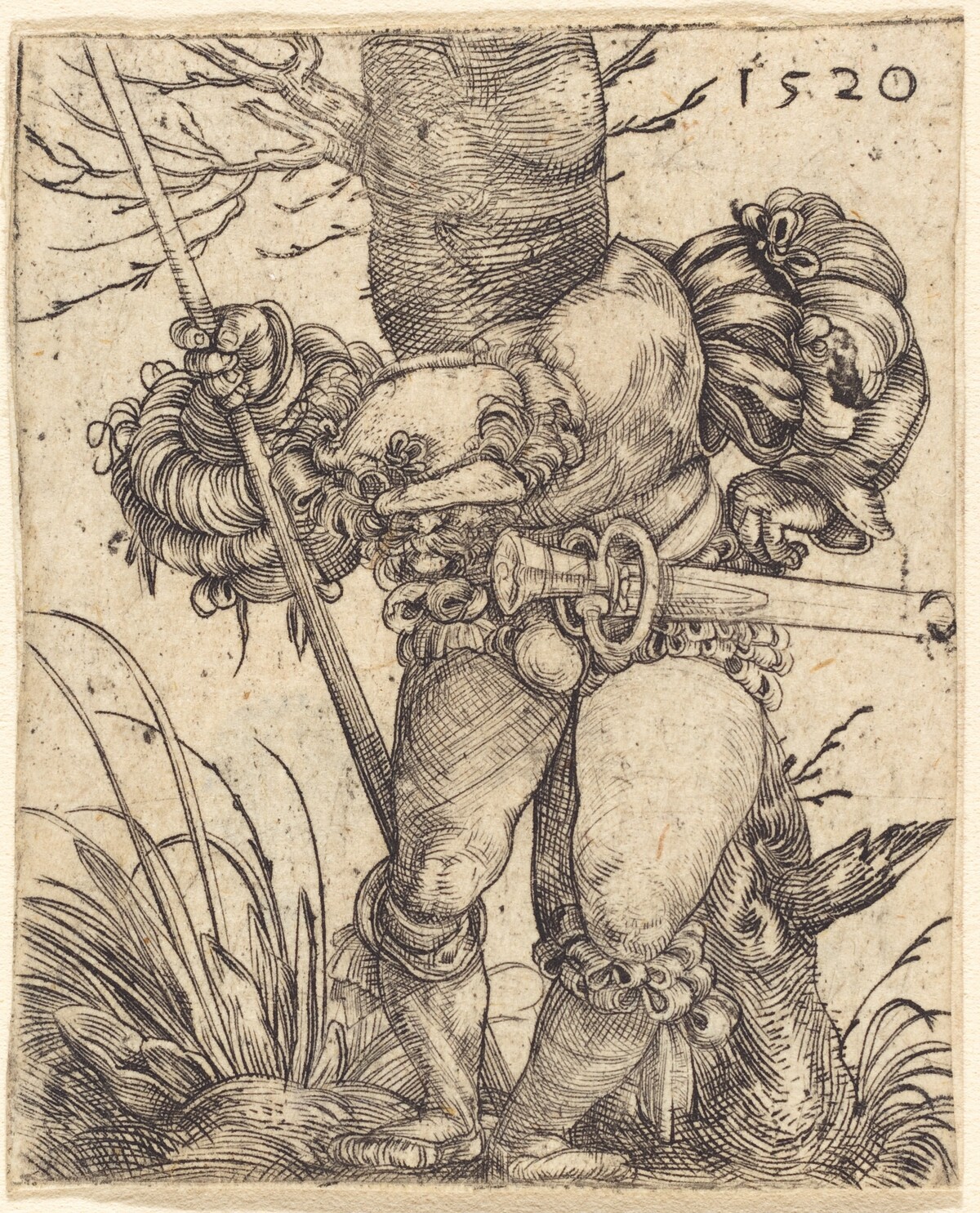
Barthel Beham’s finely engraved standing soldiers belong to the same Nuremberg print culture as Landsknecht figure series. They offer close evidence for weapons, stance, and fashionable military dress even when the museum title uses the broader term foot soldier.
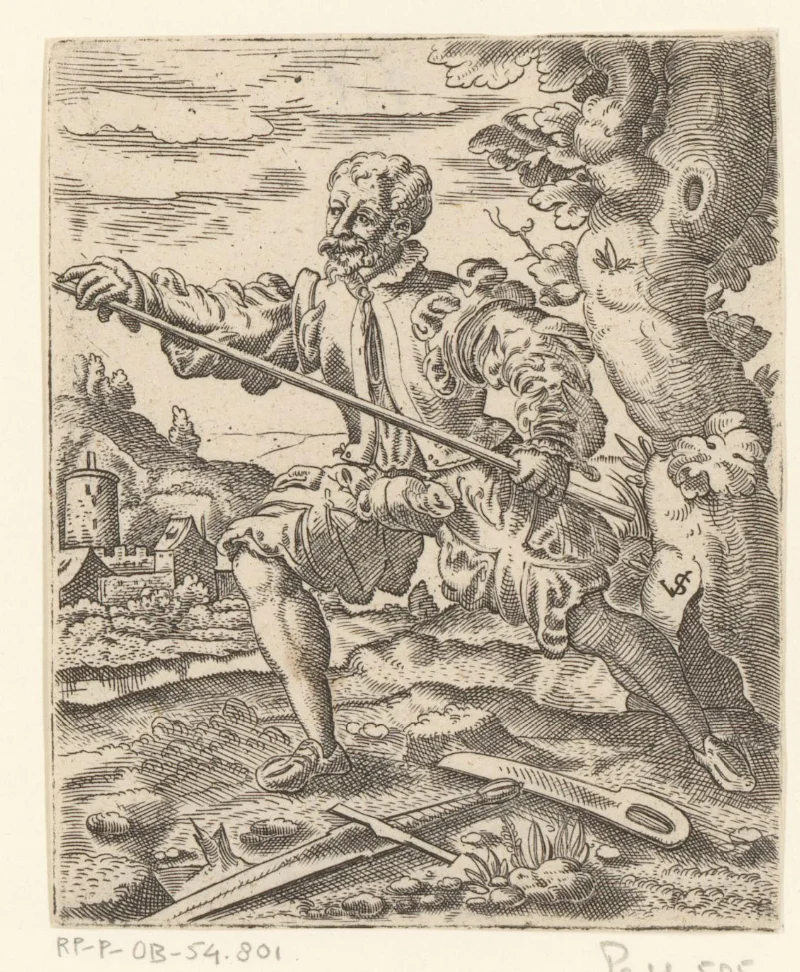
National Gallery of Art: Foot Soldier in Front of a Tree ↗Mercenary and Tross evidence1514–1562
Virgil Solis
Draughtsman, engraver, and designer of woodcuts
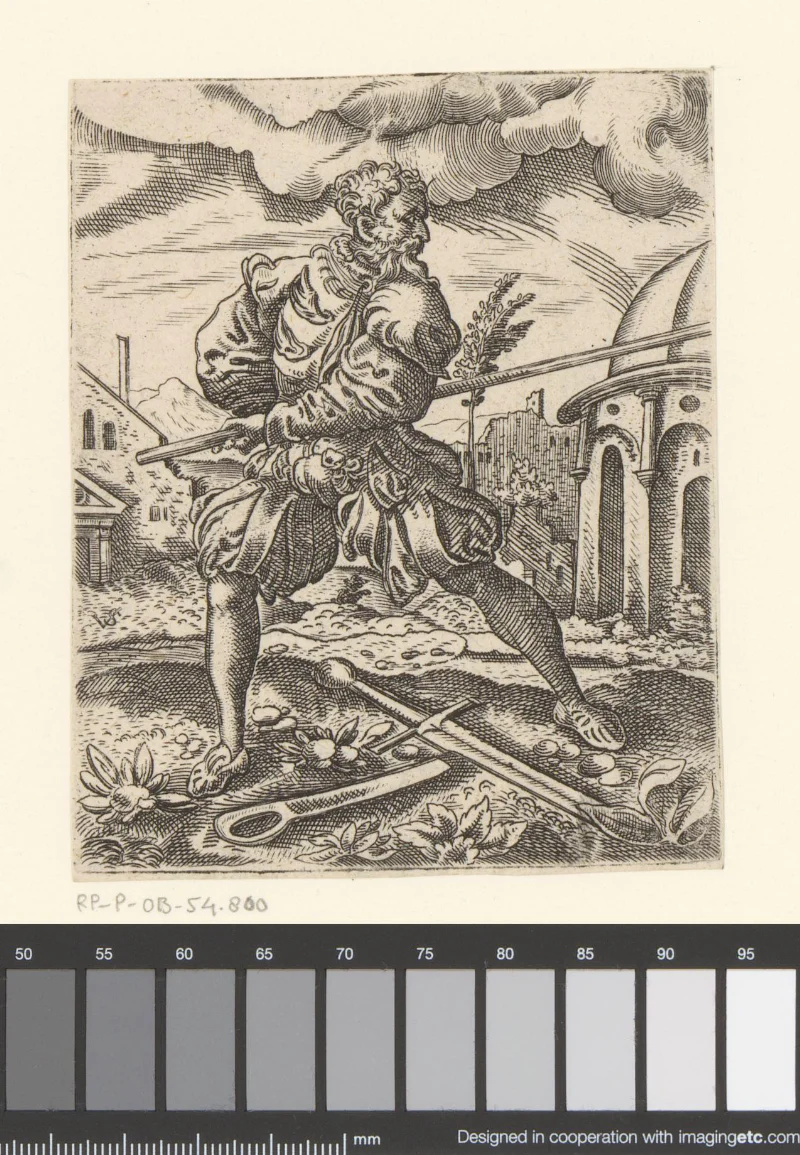
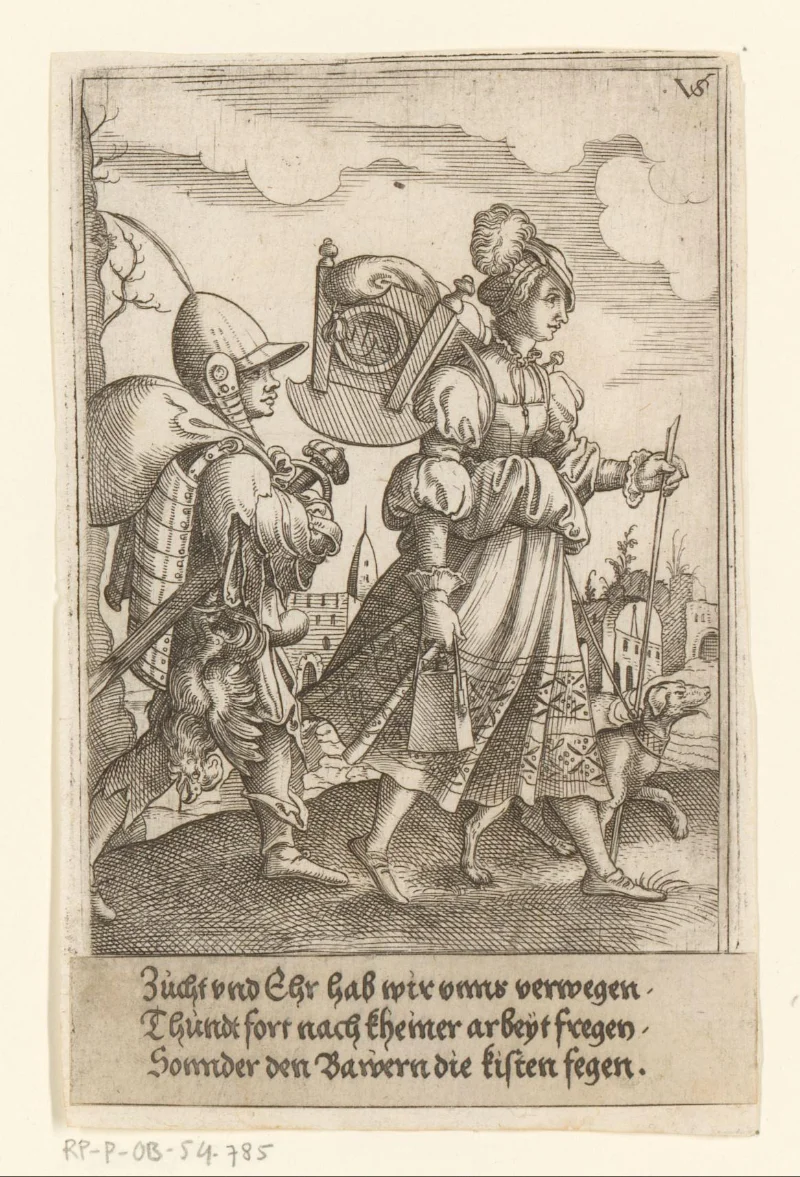
Solis produced extensive series of military figures, including Landsknechte and a female sutler with a boy. His work is among the clearest later-sixteenth-century visual evidence for people provisioning and accompanying troops.
Rijksmuseum: Female Sutler and Boy with a Dead Rooster ↗Direct Landsknecht evidence1472–1553
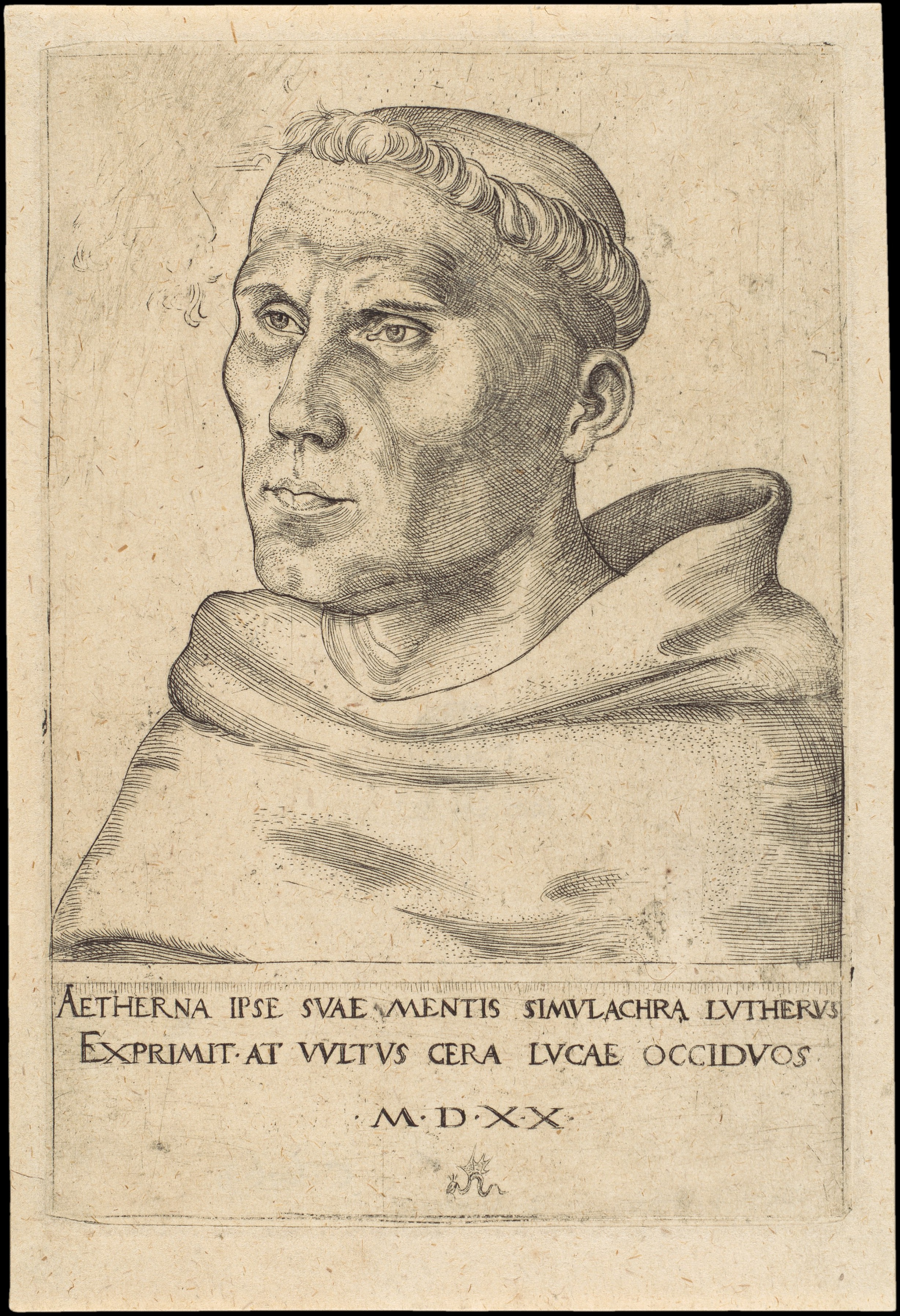
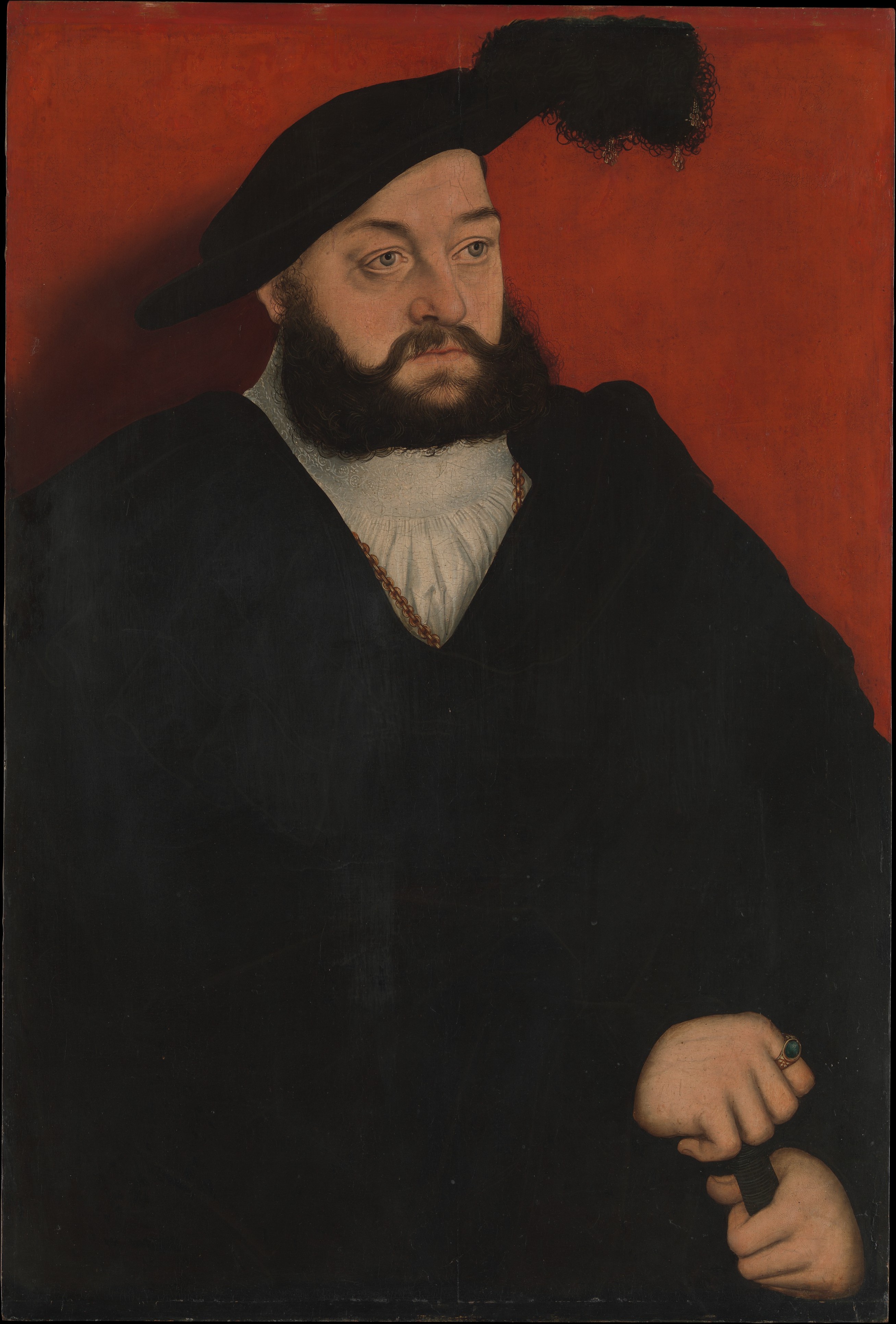
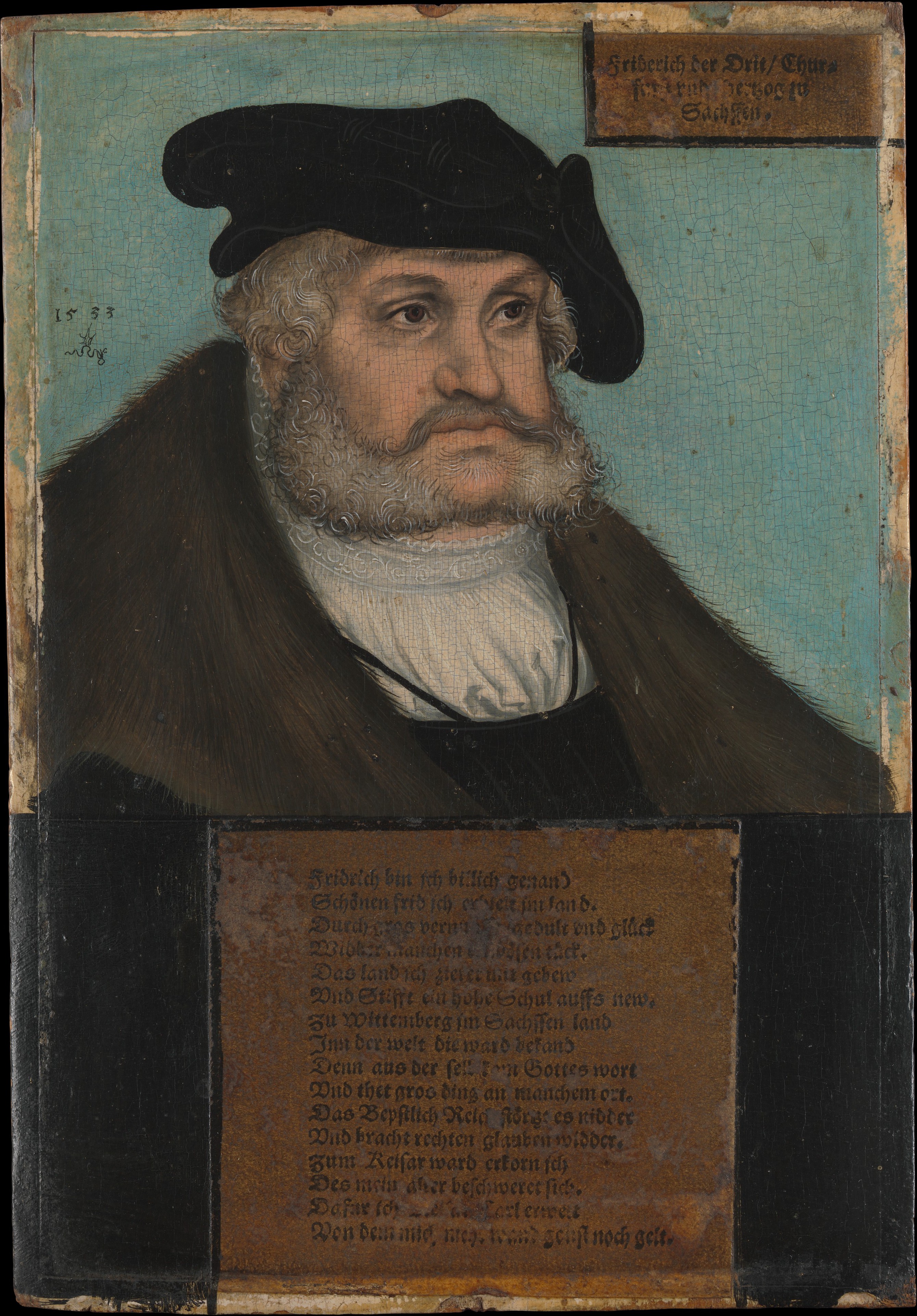
Lucas Cranach the Elder
Painter and printmaker
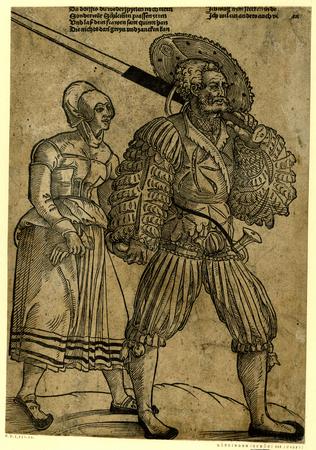
Cranach’s Saxon workshop ranged across portraits, court culture, paintings, and prints. His paired Landsknecht and fashionable woman connects soldier imagery with courtship, dress, and gendered social presentation.
British Museum: Lansquenet and Lady Holding Daisies ↗Military and dress contextc. 1480–1542
Leonhard Beck
Painter and designer of woodcuts
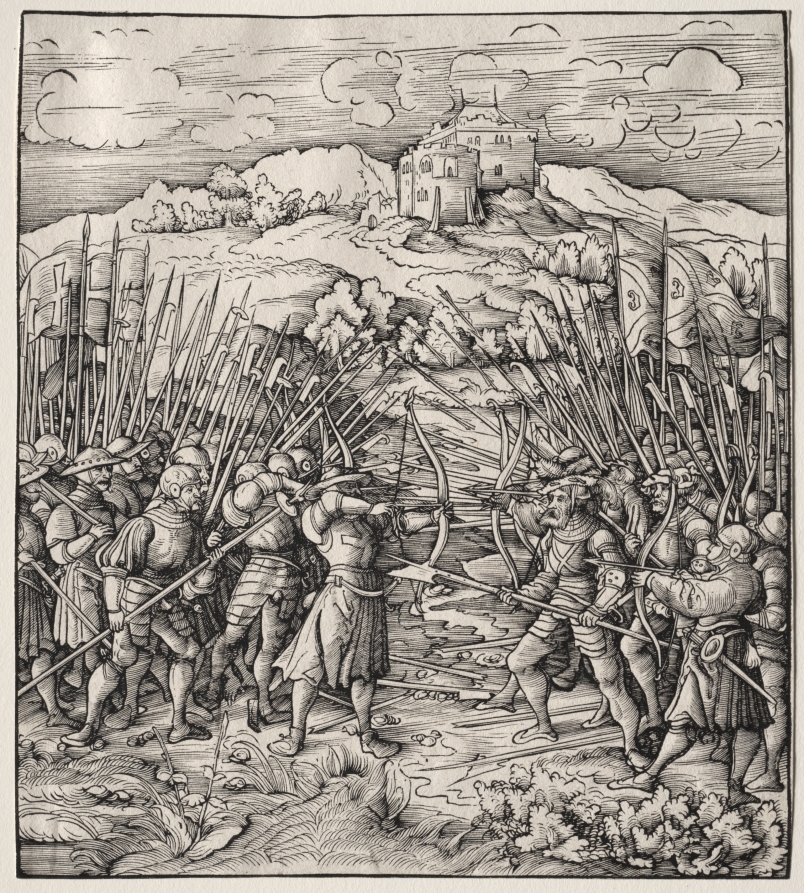
Beck designed much of Maximilian I’s Theuerdank and contributed to the imperial Triumphal Procession. His battle scenes provide detailed context for infantry formations, baggage, artillery, fortified landscapes, and campaign storytelling.
Cleveland Museum of Art: Battle Against the Blue Company ↗Military and dress context1502–c. 1555/61
Heinrich Aldegrever
Painter and engraver
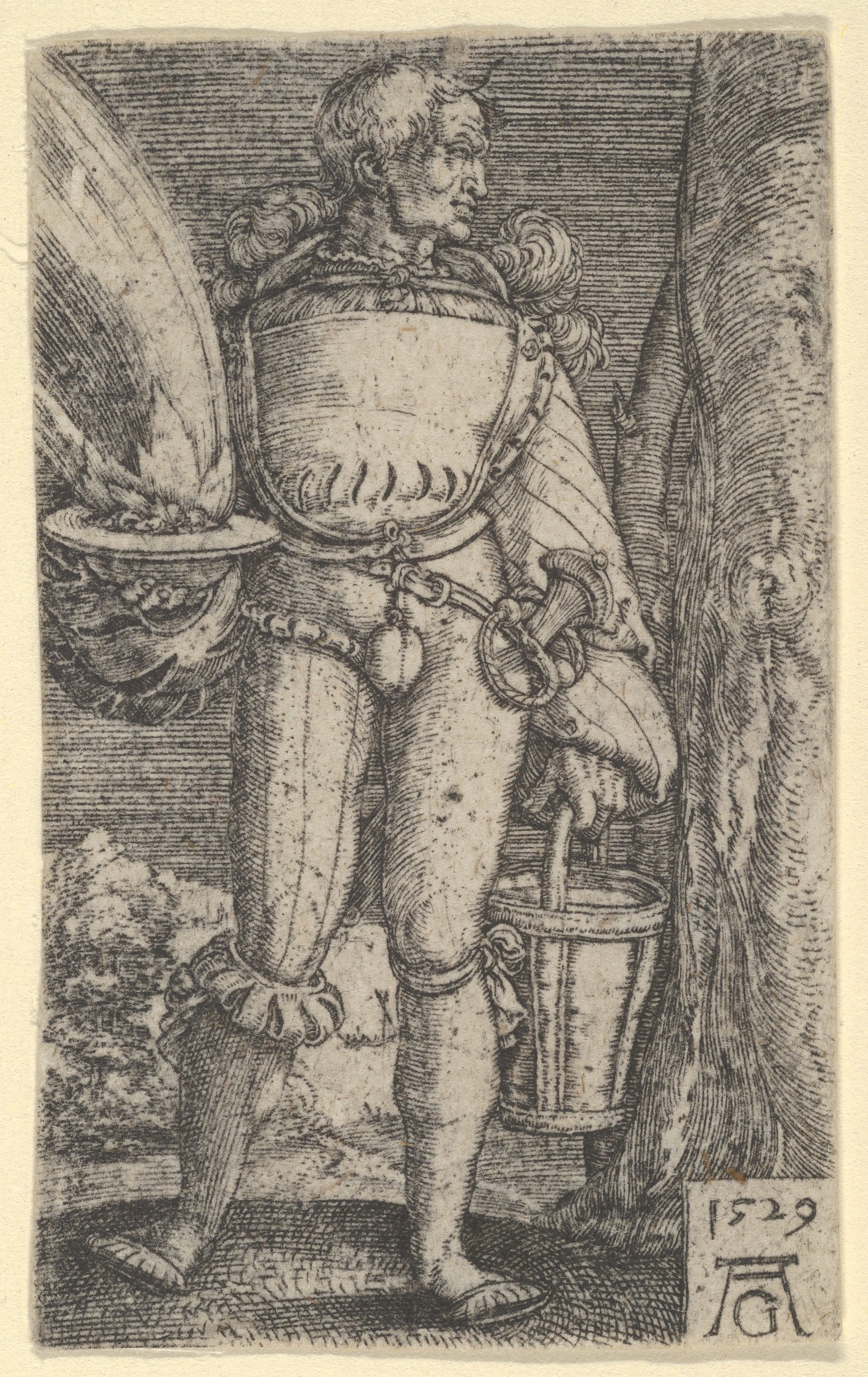
A Westphalian Little Master known for precise engravings. His armed foot soldiers and genre scenes are useful comparative evidence; older print catalogues sometimes call figures Landsknechte where modern museums use broader titles.
The Met: Foot-Soldier with Fire-Pan and Bucket ↗Direct Landsknecht evidencec. 1485–1553
Wolfgang Huber
Painter, draughtsman, and designer of woodcuts
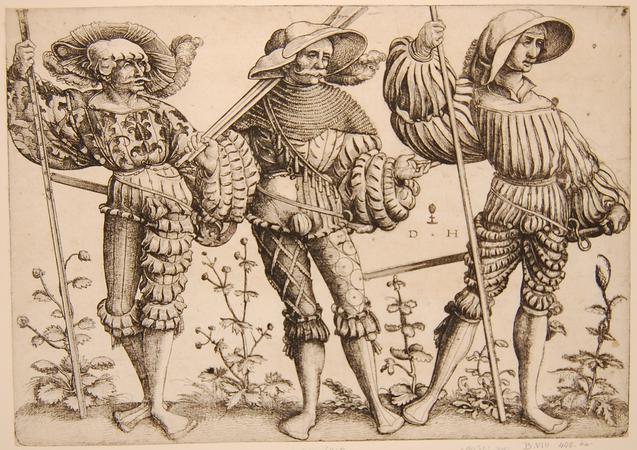
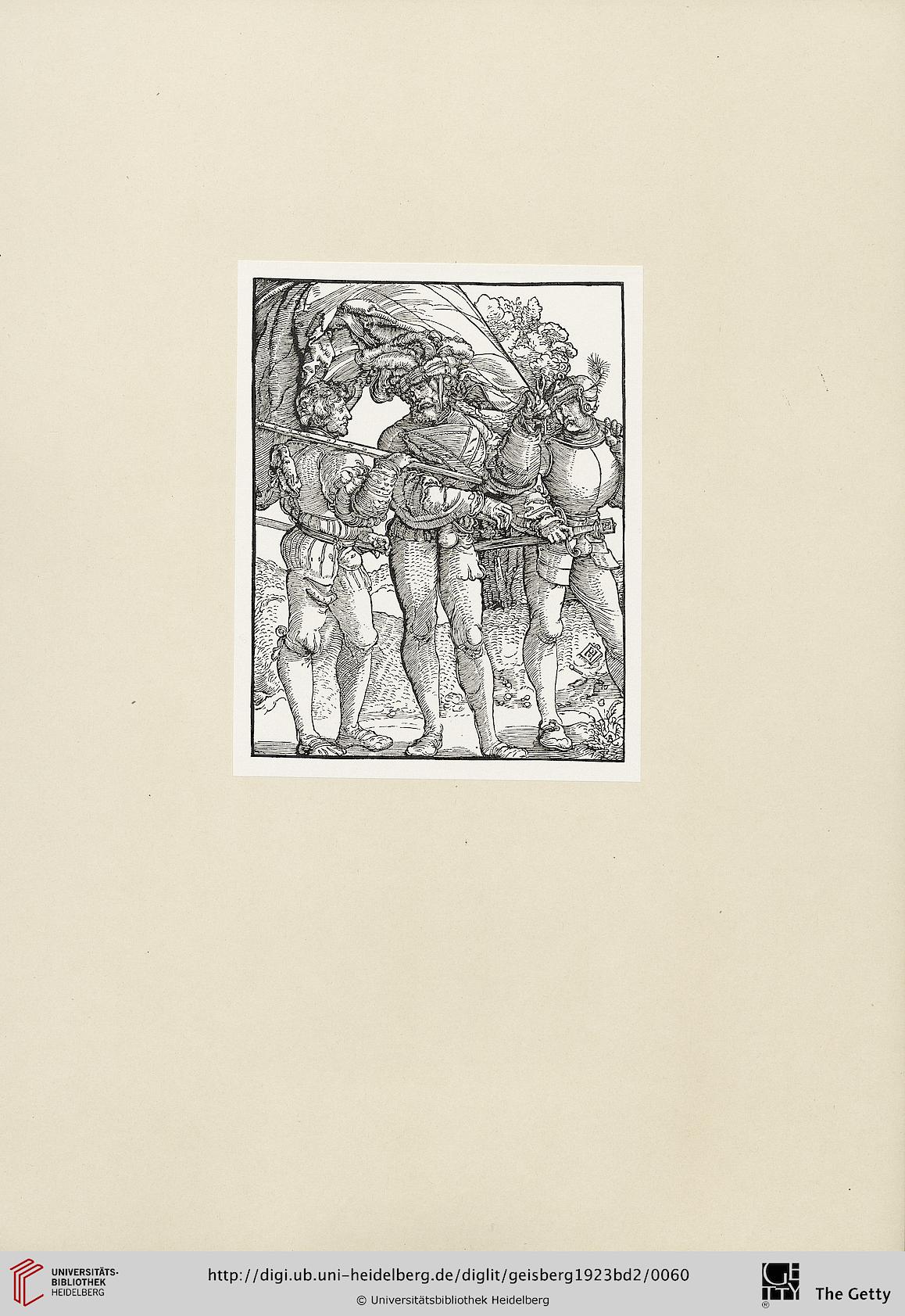
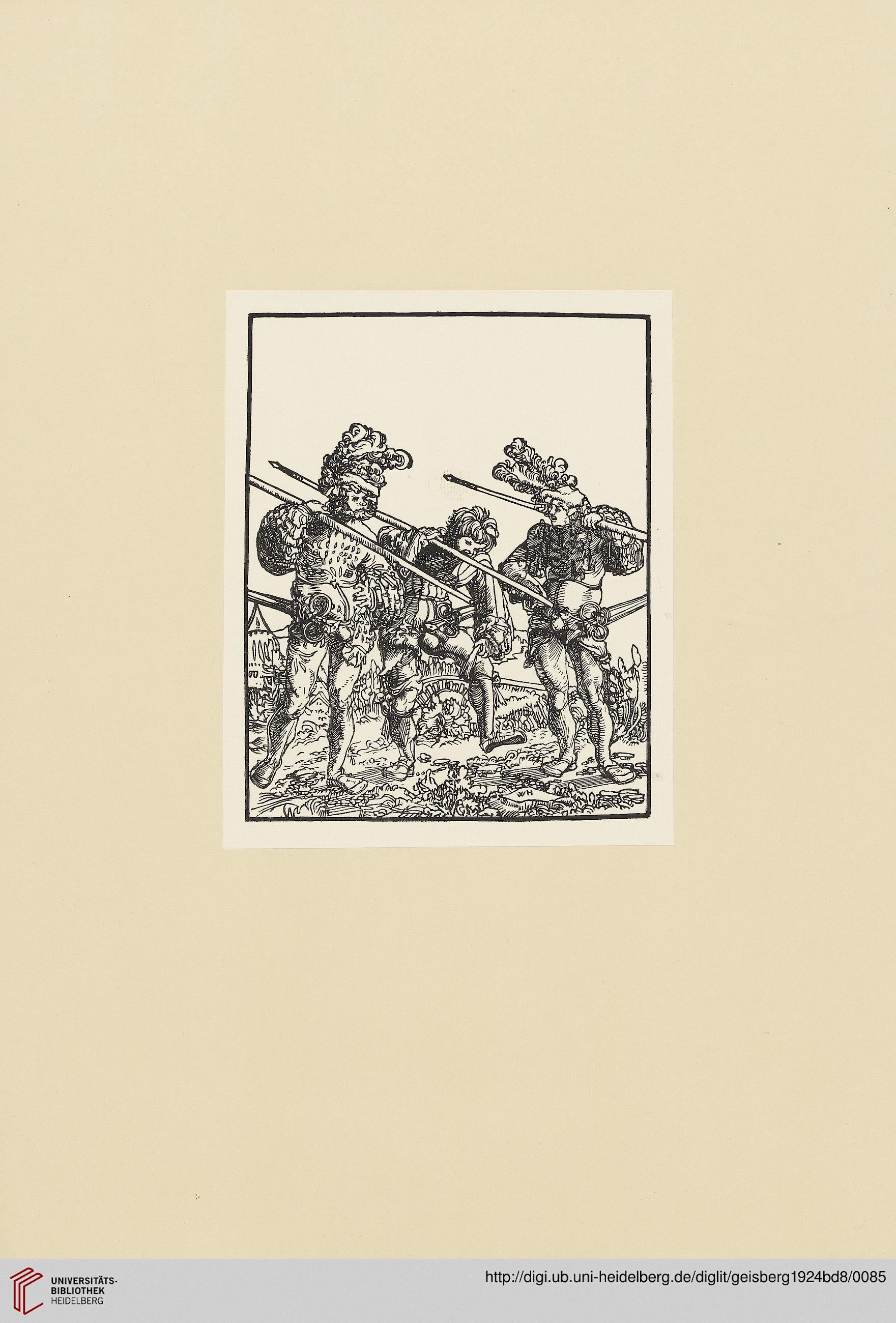
A leading Danube School artist whose landscapes and figure designs include marching Landsknechte. His work joins close soldier observation to the terrain through which troops moved.
Heidelberg: Three Landsknechte on the March ↗Direct Landsknecht evidence1525–1571
Hans Rudolf Manuel Deutsch
Painter, draughtsman, and print designer
The Bernese artist continued a family tradition shaped by Swiss military service and civic art. Woodcuts after his designs include explicitly catalogued Landsknecht figures, useful with the usual caution that Swiss and German mercenary identities are not interchangeable.
Rijksmuseum: Landsknecht after Manuel Deutsch ↗Mercenary and Tross evidencec. 1490–1546
Peter Flötner
Sculptor, designer, and printmaker
Flötner worked across sculpture, ornament, prints, and book design in Nuremberg. His name is important in Landsknecht cataloguing because several soldier designs once attributed to him are now assigned to Erhard Schön or Sebald Beham; attribution history must remain visible.
British Museum: Peter Flötner collection biography ↗Military and dress contextc. 1500–c. 1536
Hans Weiditz
Painter and designer of woodcuts
The ‘Petrarch Master’ was one of the period’s most inventive book illustrators. His crowded social scenes, occupations, urban life, and Maximilian-era commissions broaden the comparative record around soldiers and camp society, even where no figure is explicitly catalogued as a Landsknecht.
British Museum: Hans Weiditz collection biography ↗Military and dress context1490–1556
Heinrich Vogtherr the Elder
Painter, printmaker, publisher, and designer
Vogtherr worked in Augsburg, Strasbourg, Zürich, and Vienna, producing woodcuts, pattern books, maps, and soldier designs. His career links court art, publishing, armour, and the wider visual vocabulary used to represent sixteenth-century troops.
British Museum: Heinrich Vogtherr I collection biography ↗Documented block cutteractive c. 1508–1544
Jost de Negker
Formschneider (specialist block cutter) and printer
De Negker translated designs by Schäufelein, Burgkmair, the Breus, and others into printable woodblocks. Signed and catalogued Landsknecht sheets demonstrate why the cutter’s skilled execution should be credited separately from the designer.
British Museum: Schäufelein standard-bearer cut by de Negker ↗Documented block cutterdied 1526
Hans Lützelburger
Formschneider (specialist block cutter)
Lützelburger was one of the finest cutters of the German Renaissance. The British Museum explicitly credits him with cutting Urs Graf’s Two Mercenaries and a Woman, making his role directly relevant to mercenary and camp-life imagery.
British Museum: Urs Graf woodcut cut by Lützelburger ↗Documented block cutterc. 1485–1556
Hieronymus Andreae
Formschneider, printer, and publisher
Andreae supervised and cut blocks for monumental Dürer and Maximilian projects. These imperial programs supply essential military, heraldic, and ceremonial context, while museum cataloguing separates his cutting from the artists’ designs.
The Met: Arch of Honor, block cutter credited ↗